
































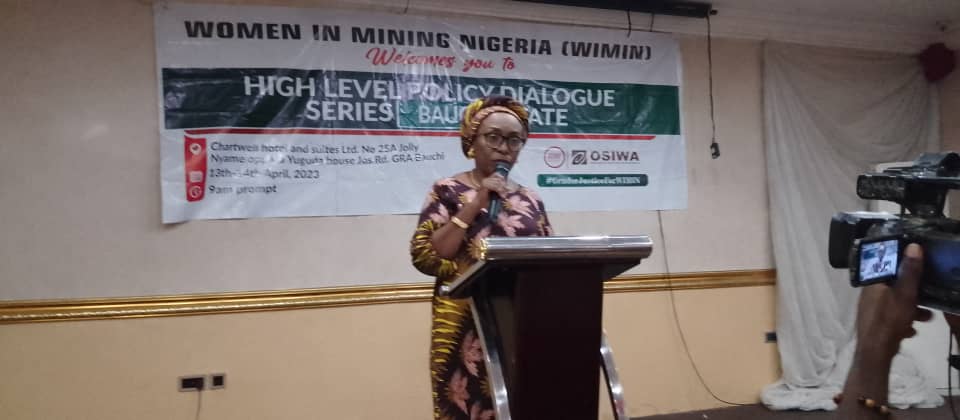
Women in Mining in Nigeria (WIMIN) has brainstormed appropriate policy mechanisms to ensure maximum protection against all forms of sexual harassment, violence and abuse for women and children at mining sites in Bauchi State.
Speaking at a two-day policy dialogue in Bauchi, the President of WIMIN, Janet Adeyemi who was represented by Ambassador Regina Edzuwah, lamented the excruciating conditions of women at mining sites, including sexual harassment, child abuse and other forms of injustice.
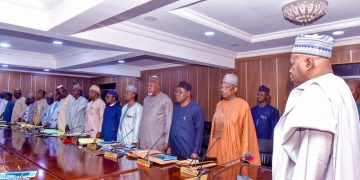
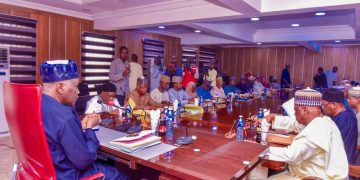
The two-day policy dialogue which brought together participants from the government, the private sector and civil society organisations was organised by WIMIN with funding from the Open Society Initiative for West Africa (OSIWA).
“The mining sector is one of the key contributors to Nigeria’s economic development. It plays a crucial role in generating revenue and creating job opportunities, particularly for rural communities. However, the mining sector also presents a range of challenges, particularly with regard to the protection of child rights and the promotion of gender equality.
“This policy dialogue aims to bring together a diverse group of stakeholders, including government officials, civil society organisations, industry representatives and mining communities to discuss and identify policy measures that can promote gender equality and child rights in the mining sector in Bauchi,” she said.
The WIMIN President said that it is important to recognise that gender inequality and the violation of child rights in the mining sector are not just moral and ethical issues, but also have long-term economic consequences.
“Evidence suggests that gender-inclusive policies and the protection of child rights can improve productivity, reduce absenteeism and enhance the overall competitiveness of mining companies,” she said.
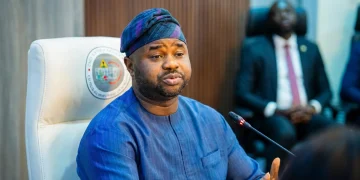
On his part, the Commissioner of Justice and Attorney General, Abubakar Abdulhamid, assured the miners of the strict implementation of laws about women and child protection.
He said that the Ministry of Justice has desk officers at different local councils of the state where abuses are reported.