
























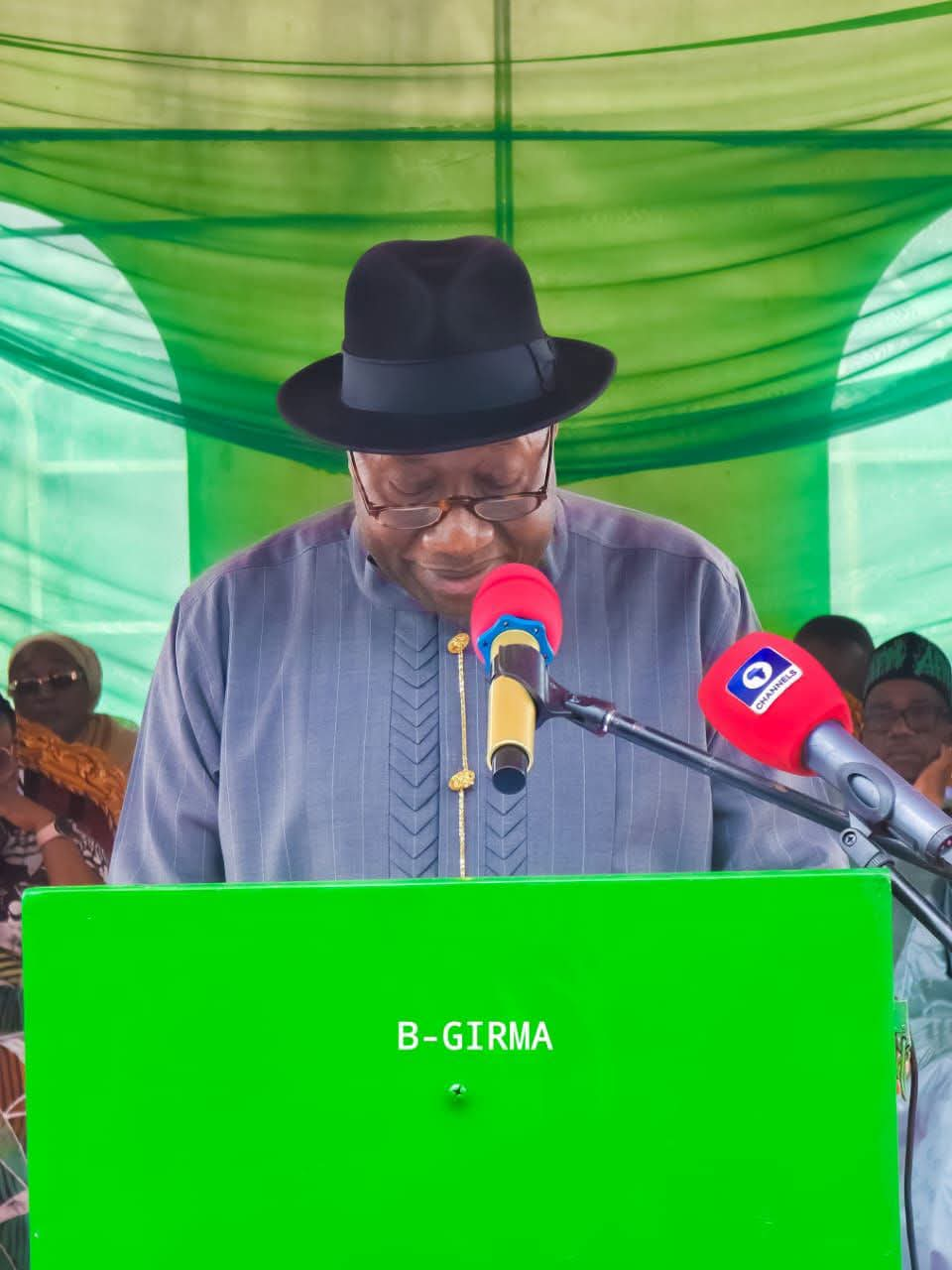
The Goodluck Jonathan Foundation has called on African countries to re-examine their democratic structures, warning that excessive concentration of power in the presidency is undermining governance and development.
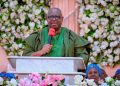
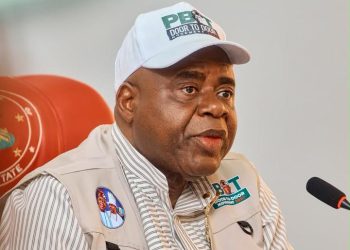
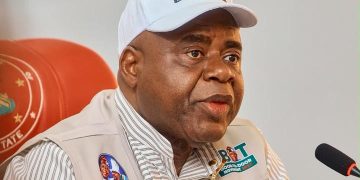
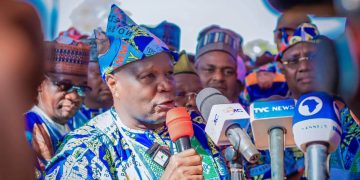
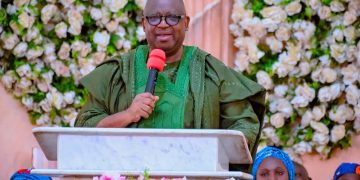
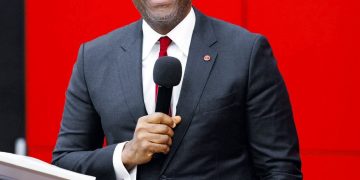
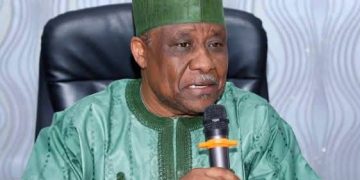
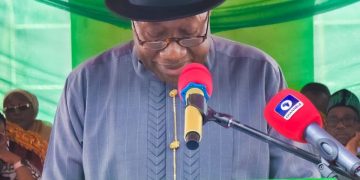
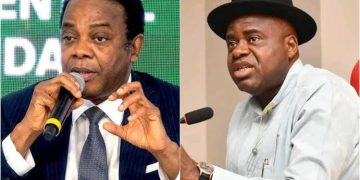
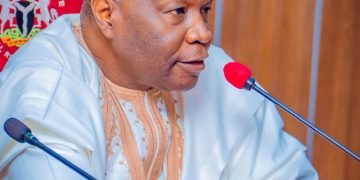
Speaking at the 2026 Democracy Dialogue on Tuesday at the International Conference Centre, Bauchi, the Foundation’s Chairman said the continent must urgently debate models built on power-sharing, accountability and stability. He delivered the vote of thanks on behalf of the Foundation.
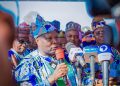
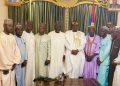
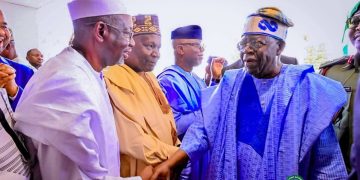
He opened by acknowledging guests, including the National Chairman of Ghana’s ruling party, ambassadors from The Gambia, Cameroon and other countries, as well as Nigeria’s traditional rulers led by the Emir of Bauchi and the Chairman of the Bauchi State Council of Emirs and Traditional Rulers.
The Chairman said feedback from this year’s dialogue will shape the 2027 edition.
“We have not taken a decision on where it will be held and, of course, the topic. But in most cases, our topic emanates from the conversation,” he said. “We will listen to critical conversations here about the brand of democracy that could be good for Africa, whether we have one at all.”
He referenced an earlier discussion at the Obasanjo Presidential Library and proposed a partnership to review it.
A central focus of his remarks was executive power.
“If you look at the structure of government alone, do we really continue with one man having maximum power to cut the yam anyhow he likes? Or do we dilute the powers and adopt a model similar to the Swiss model, where any major decision that will affect the country is hardly possible unless members of that team take that decision?” he asked.
He argued that collective decision-making drives stability, pointing to Switzerland’s strong economy despite limited resources.
“Probably that is why, even without resources, Switzerland has one of the strongest economies in the world because it is politically stable. No one person dictates what happens in the country and the parliament is very, very strong.”
The Chairman suggested Africa consider aspects of the parliamentary system practiced at independence.
“So probably the way to go is back to the pre-independence and early independence period of having a parliamentary system where at least the powers are shared. You have the chief executive that manages the resources, the prime minister, and the president that commands the troops, like the president or the king or the queen in England and in other countries. The prime minister too will respect the president that commands the troops. And the president that commands the troops must respect the prime minister because he holds the course of the country.”
He concluded that Africa needs more conversation on what model fits its realities.
“So probably we need to have more conversation on the structure of leadership in our countries in Africa and what model will work for our own unique circumstances. I believe next year we’ll invite all of you again and please oblige us to attend. I thank you all.”
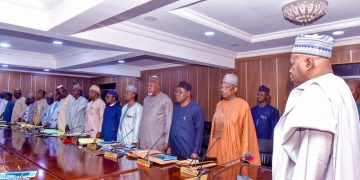
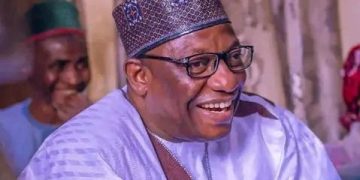
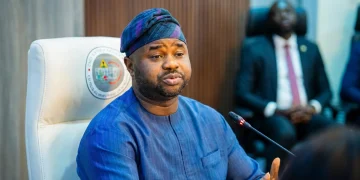
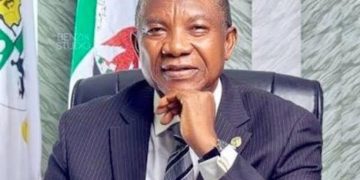
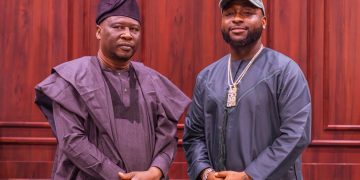
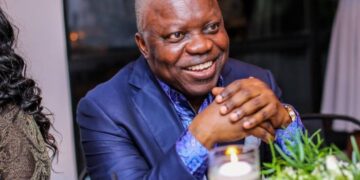
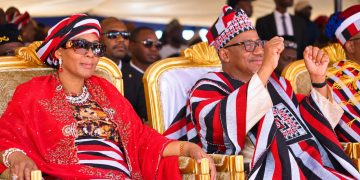
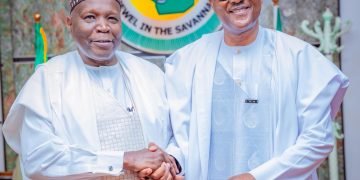
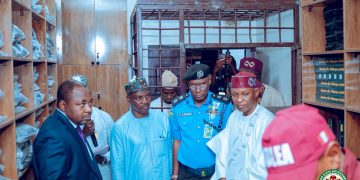
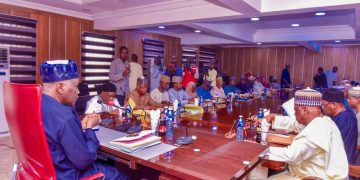
The 2026 Democracy Dialogue drew diplomats, political leaders, civil society actors and traditional rulers from across the country.