









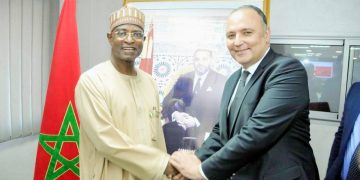

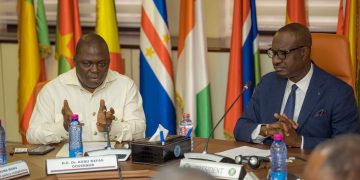


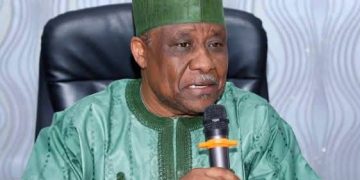








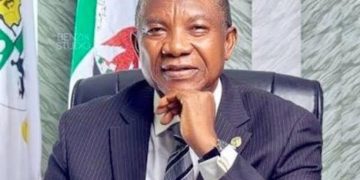























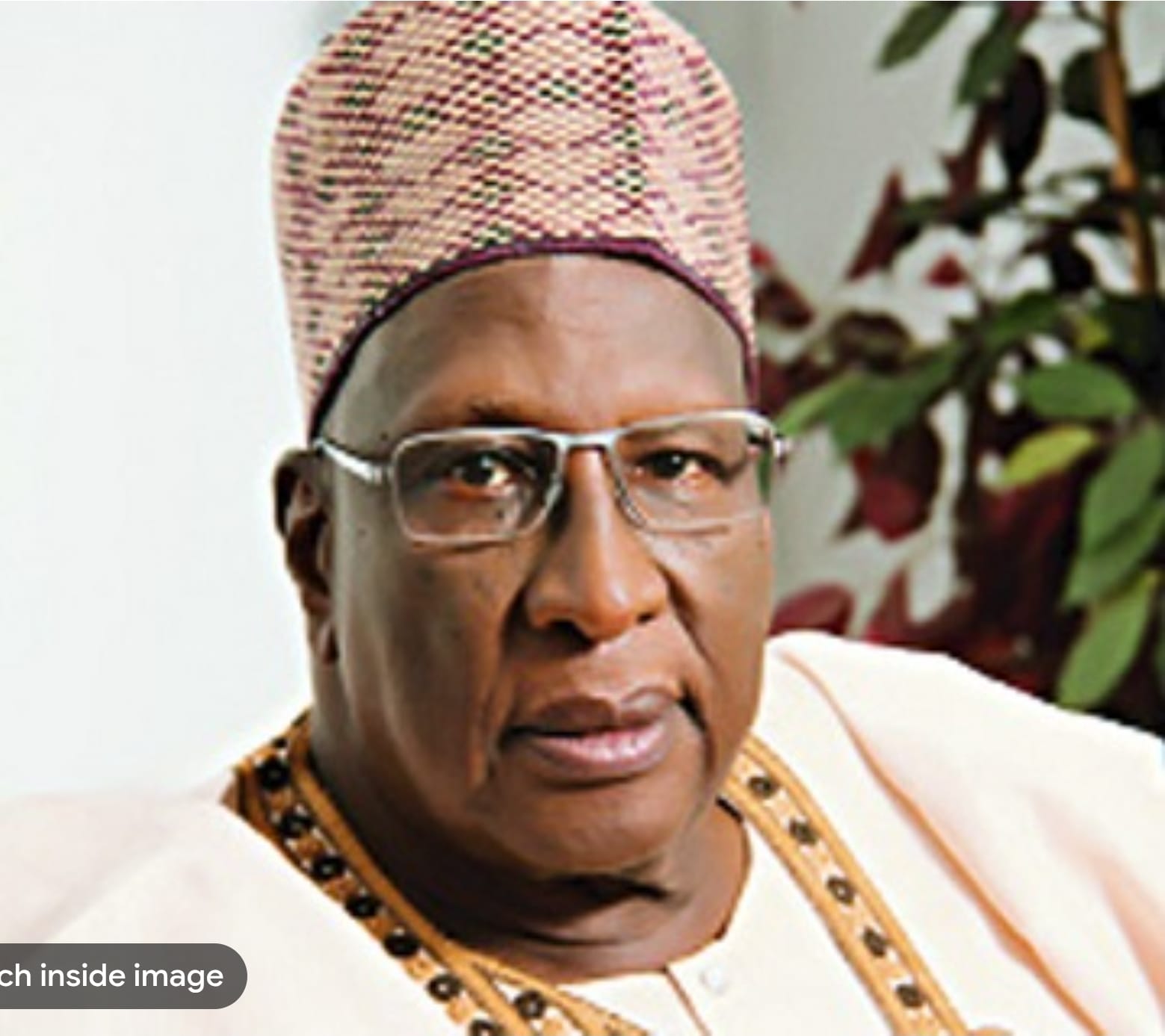
Nigeria has lost one of its most experienced business leaders, public administrators, maritime experts and political figures, Dr Alhaji Bamanga Muhammad Tukur, CON, who has died at the age of 90.
News of the death of the former National Chairman of the Peoples Democratic Party (PDP) was reported on Saturday, September 12, 2026.
But beyond his political career, Bamanga Tukur leaves behind a much broader legacy — one deeply connected to Nigeria’s ports, maritime development, African business and the country’s emergence as a major commercial player.
Born in 1935 in Jada, in present-day Adamawa State, Tukur began his professional career in public administration before joining the Nigerian Ports Authority (NPA). He rose through the ranks, becoming Port Manager in Lagos and subsequently General Manager and Chief Executive of the Nigerian Ports Authority from 1975 to 1982.
It was during this period that he became associated with one of the most significant phases of Nigeria’s maritime infrastructure development.
Nigeria’s ports were under enormous pressure following the country’s post-Civil War reconstruction and the massive importation of cement and other materials required for national development. Lagos and Apapa were heavily congested, with ships waiting offshore.
Working with the Federal Government and other officials, Tukur played a major role in the strategy to decongest Lagos by expanding existing facilities and developing capacity at other ports.
The programme included the development of Tin Can Island Port and the expansion of Apapa, while work and modernisation also extended to ports including Warri, Port Harcourt and Calabar. General Yakubu Gowon, who worked with Tukur during this period, described him as *“Sarkin Aiki” — Chief Worker — in recognition of his energy and commitment.
Tukur’s influence went beyond Nigeria. He became a prominent figure in international maritime circles, serving in senior positions within the International Association of Ports and Harbours and other global shipping and cargo organisations. He was also associated with the West and Central African Ports Management Association.
His career subsequently moved between government, politics and private enterprise.
In 1983, he became Governor of the old Gongola State, which later became Adamawa and Taraba States. He later served as Minister of Industries in the Federal Government during the 1990s.
Yet perhaps his most enduring contribution to Africa was through business diplomacy.
Tukur served as President of the African Business Roundtable (ABR) and Chairman of the NEPAD Business Group, becoming one of the influential voices promoting African enterprise, investment and greater economic cooperation across the continent. He was also involved with international investment and business advisory organisations.
For the African business community, he represented an important generation of leaders who believed that Africa should not simply be viewed as a destination for aid, but as a continent capable of creating businesses, attracting investment and competing internationally.
His political career later brought him to the leadership of the PDP, where he served as National Chairman from 2012 to 2014. Following his tenure, former President Goodluck Jonathan appointed him Ambassador-at-Large in 2014.
He received several national and international honours, including Nigeria’s Commander of the Order of the Niger (CON), while also holding traditional titles including Tafidan Adamawa.
For generations of Nigerians who knew him principally through the maritime, business and development sectors, however, Bamanga Tukur was much more than a politician.
He belonged to a generation that participated directly in building some of the institutions and infrastructure upon which modern Nigeria’s economy rests.
His story therefore stretches from the ports of Lagos and the development of Nigeria’s maritime gateway, to African business diplomacy, public administration, entrepreneurship and national politics.
At 90, Dr Bamanga Tukur leaves behind a long and complex public record — but also a substantial infrastructure and institutional legacy that extends well beyond political office.
Nigeria and Africa have lost a remarkable public servant, businessman, maritime administrator and elder statesman.
He is survived by many children, grand-children and extended families.
May his soul rest in peace.
#Bamanga #bamangatukur