














































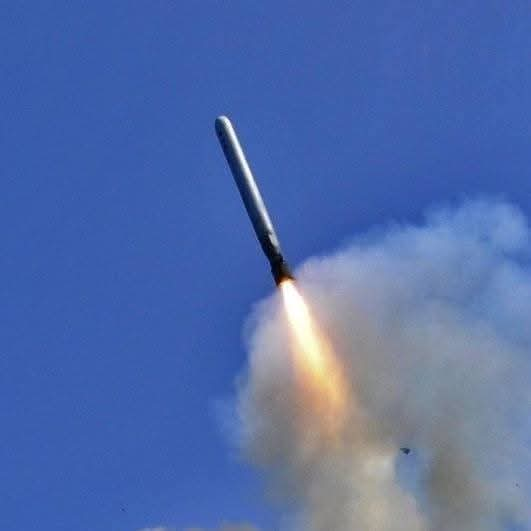
The narrative of a so-called “Christian genocide in Nigeria” gained international attention in recent years, particularly within some circles of the United States Congress. The claim generated intense debate both globally and within Nigeria, polarizing public opinion along religious lines. Christians and Muslims interpreted the discourse through the prism of long-standing distrust and political rivalry. Yet beyond the rhetoric and diplomatic exchanges lies a grim reality: Nigerians of all faiths and ethnic backgrounds continue to face an escalating wave of violence across the country.

In response to these narratives, American officials and delegations visited Nigeria to assess the situation in areas cited as epicenters of alleged anti-Christian violence. Critics, however, argued that these visits captured only a fragment of Nigeria’s complex security crisis. Across the North West, North Central, and parts of the North East, communities of different religious identities have been subjected to relentless attacks by terrorists, bandits, and criminal networks. Villages have been destroyed, families displaced, and thousands abducted for ransom, demonstrating that the violence afflicting Nigeria transcends any single religious narrative.
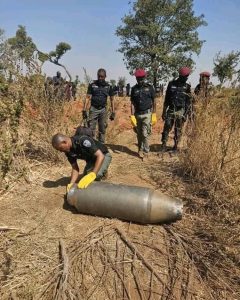
By late 2025, discussions around enhanced security cooperation between Nigeria and the United States intensified, fueling speculation about the presence of foreign military personnel and advanced weapon systems on Nigerian soil. Reports of intelligence sharing and counter-terrorism collaboration were interpreted differently by Nigerians. While some welcomed international assistance in confronting terrorism, others warned that such involvement could compromise Nigeria’s sovereignty and transform its internal security challenges into a theater of geopolitical maneuvering.
The controversy deepened during the 2025 Christmas period when reports emerged of a guided missile operation in parts of Sokoto State, particularly around the Tangaza axis near the Niger border. Security analysts questioned the logic of the strike, noting that the area had not been widely recognized as a major terrorist enclave. Local accounts suggested that the missiles landed in sparsely populated desert terrain without any significant operational impact, raising questions about intelligence accuracy and the broader objectives of the operation.
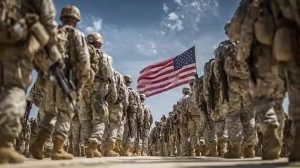
Despite these developments, the security situation across Nigeria continued to deteriorate dramatically as 2026 began. Mass kidnappings in Southern Kaduna, deadly attacks in Niger State, the destruction of communities in Kwara, and persistent insurgent operations in the North East all point to a crisis that remains far from resolved. Across Zamfara, Katsina, Sokoto, Kebbi, Plateau, and other regions, kidnappings and violent raids have become routine. In the face of these realities, many Nigerians are left asking a painful question: where are the foreign boots and the Tomahawk missiles while Nigeria continues to bleed? Until the country confronts the deeper structural causes of insecurity through effective governance, credible intelligence, and accountable leadership, external military symbolism alone will not bring the peace Nigerians desperately seek.
Solomon Dalung, LLM, LLB, BL
Garkuwan Arewa, Dike Egwureogwu & Igbarman Otarok
Voice of the Silent Majority
igbarman Otarok