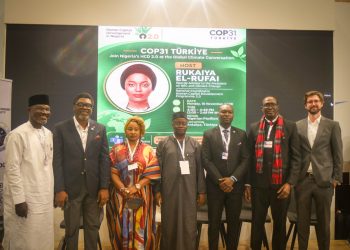

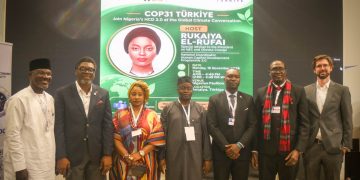





















































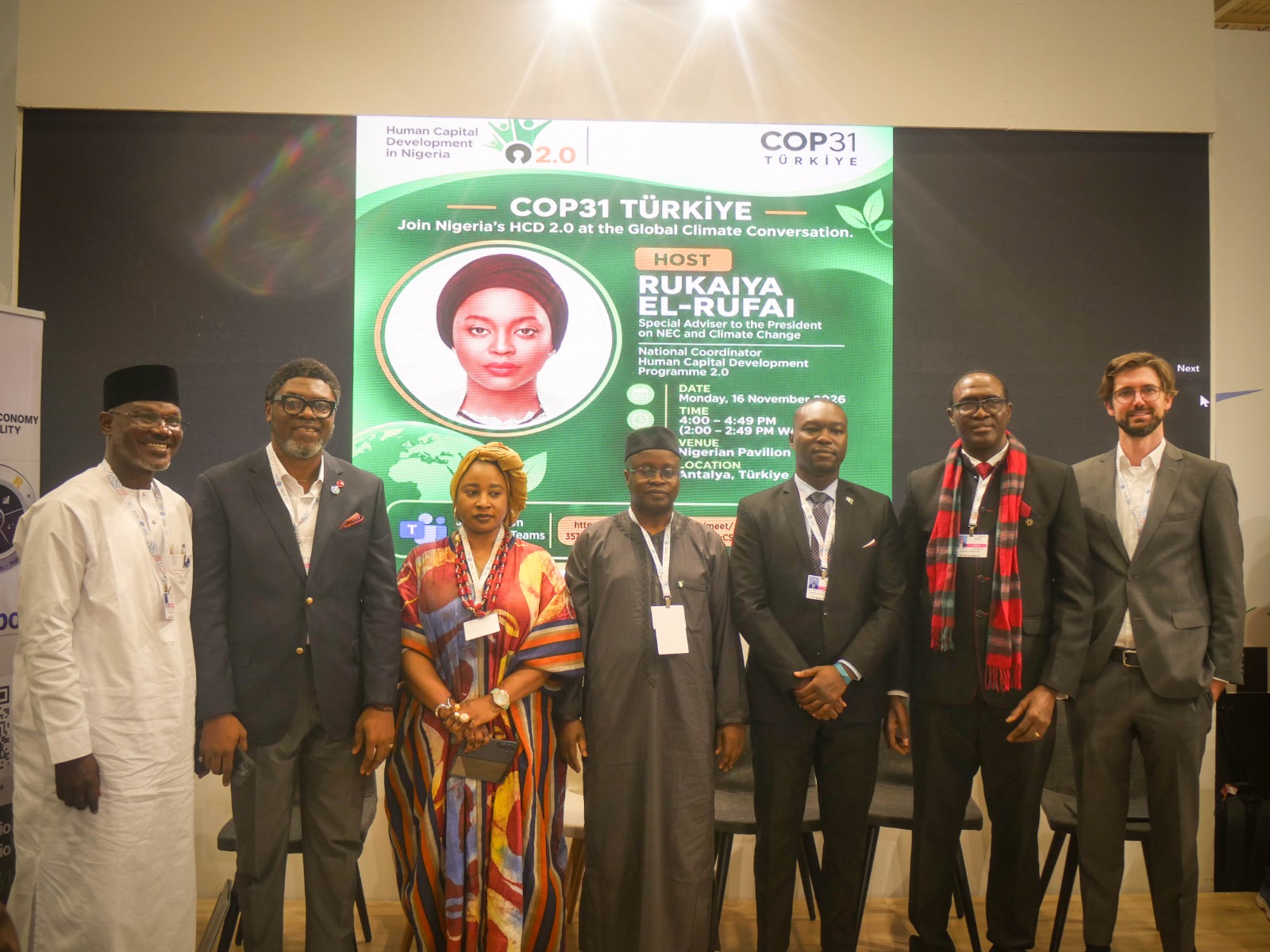
The Taraba State Government has said the 31st Conference of the Parties (COP31) has shifted global climate discourse from mere commitments to the more demanding questions of financing, investment and implementation.
Speaking on the outcome of the conference, the Taraba State Commissioner for Environment, [Name], said the state must be deliberate in positioning itself to benefit from emerging opportunities in the global climate economy.
He said beyond participating in international conversations, Taraba’s priority is to attract the right institutional, technical and financial partnerships that will strengthen its capacity to deliver on its mandate.
According to him, national and international climate commitments must be translated into practical interventions that address the peculiar environmental challenges of the state and improve the lives of the people.
The Commissioner, who previously served as a climate negotiator and rapporteur at the Federal Ministry of Environment before his appointment into the Taraba State Executive Council under Governor Dr. Agbu Kefas, described the journey as one of growth, learning and evolving responsibility.
He said going forward, the focus of the state would be on building strategic partnerships, mobilising climate finance, attracting investments and strengthening institutional collaboration.
“Our focus remains on building strategic partnerships, mobilising climate finance, attracting investments and strengthening institutional collaboration. We must position Taraba to benefit from emerging opportunities in the global climate economy while ensuring that our interventions are responsive to the needs and realities of our people,” he said.
He stressed that climate action must be meaningful to the ordinary farmer whose crops are threatened by changing weather patterns, communities battling erosion and flooding, young people seeking opportunities in the green economy, and generations yet unborn who deserve a healthy and sustainable environment.
He added that the success of climate action would not be determined by the number of conferences attended, speeches delivered or commitments made, but by the communities protected, ecosystems restored, investments attracted and lives positively impacted.
.