
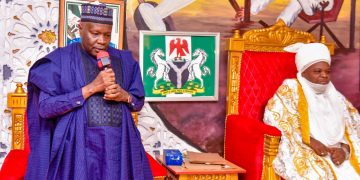
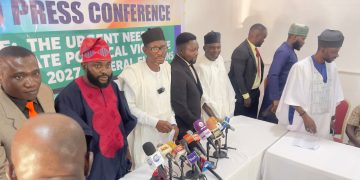
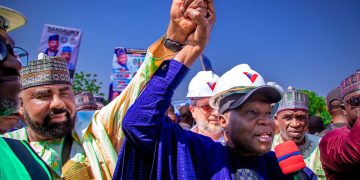
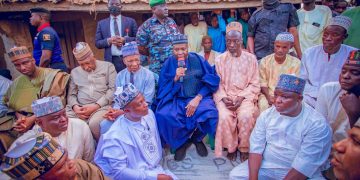
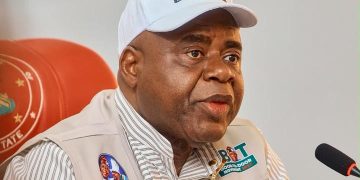
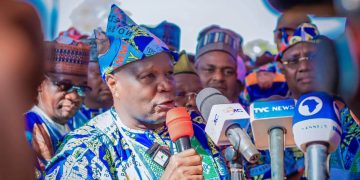
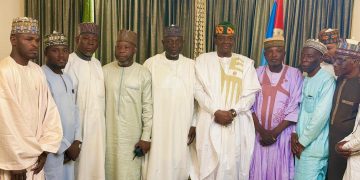
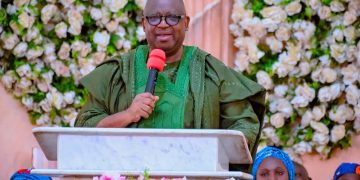

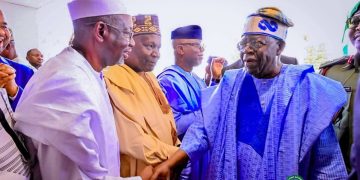

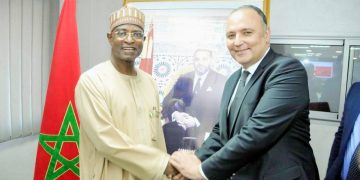

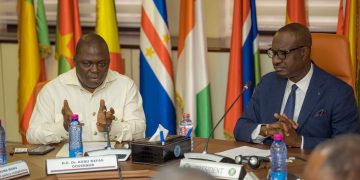


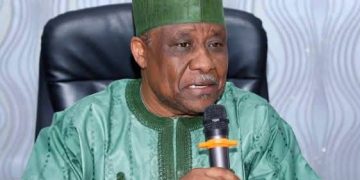










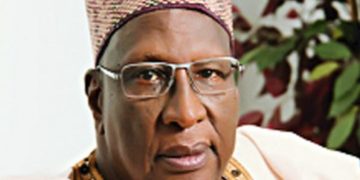

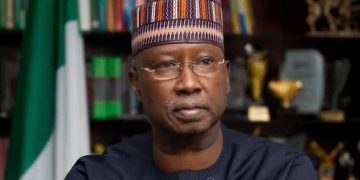


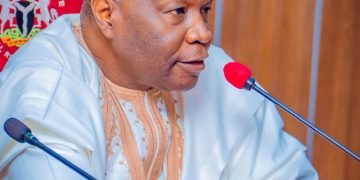


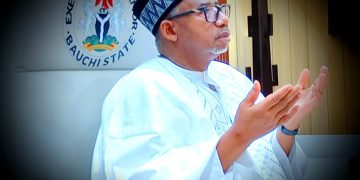
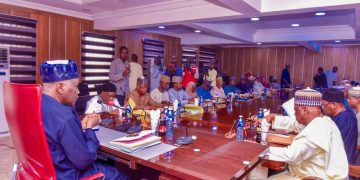



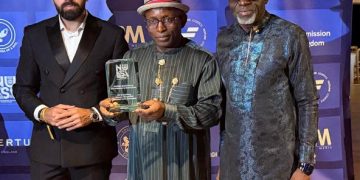





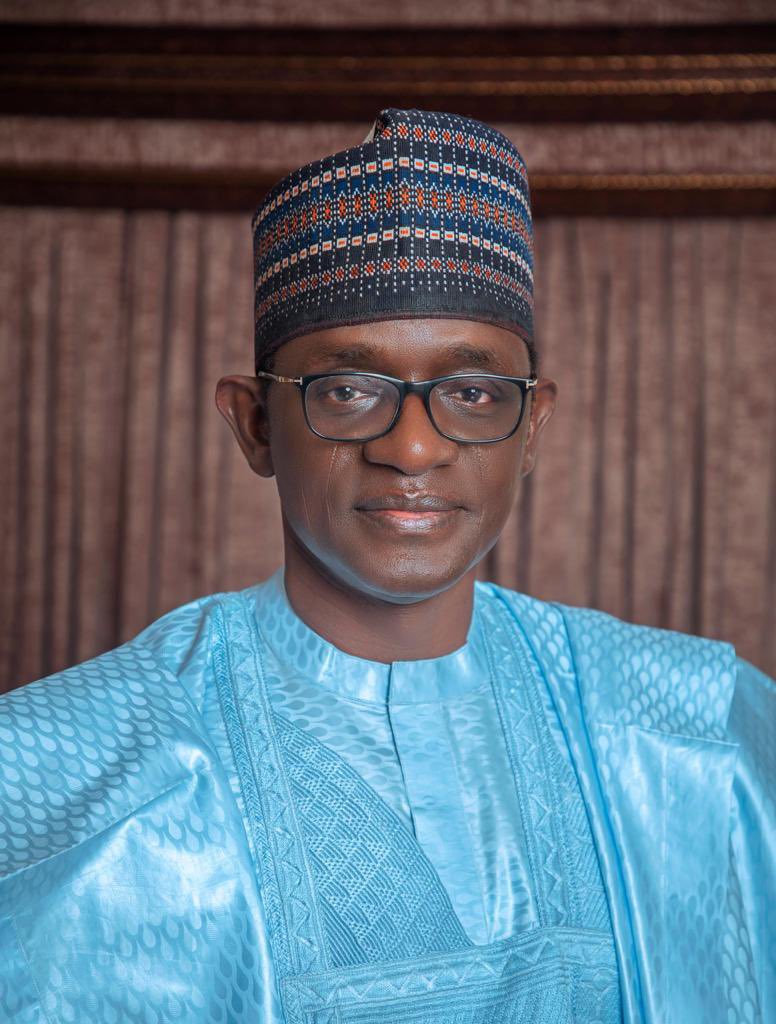
One of Governor Mai Mala Buni’s favourite quotes is attributed to Umar bin al-Khattab, who said: “Do not let the prayer of a man deceive you nor his fasting. Rather look at the truthfulness of his speech, his trustworthiness whenever he is entrusted, and how he acts whenever he is given wealth and/or power.” (Reference: Al-Matalib al-Aliyah, 11/620). This profound reflection on character, integrity and the responsible exercise of power offers an interesting lens through which to appreciate Governor Buni. Ultimately, the true test of leadership lies not merely in the positions people occupy but in their character and how they exercise the authority entrusted to them.
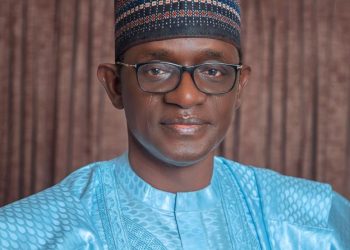
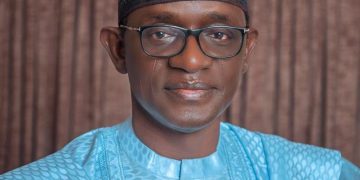
At 59, Governor Mai Mala Buni, CON, stands out as a politician and administrator whose journey reflects political experience, institutional responsibility and commitment to public service. Born on November 19, 1967, in Buni Yadi, Gujba Local Government Area of Yobe State, he has built a political career spanning grassroots administration, party organisation and executive governance. From his early political engagements to becoming National Secretary of the All Progressives Congress (APC), Chairman of its Caretaker/Extraordinary Convention Planning Committee and eventually Governor of Yobe State, his journey demonstrates the value of patience, preparation and consistency.
Beyond his political credentials, however, there is something particularly remarkable about the Governor Buni I know: his character. In a political environment where power sometimes breeds arrogance and entitlement, Buni has maintained a disposition of humility and approachability. His ability to relate with people without allowing the influence of his office to diminish his humanity is one of the qualities I particularly admire about him.
His political experience, especially as APC National Secretary and Chairman of the party’s Caretaker/Extraordinary Convention Planning Committee, placed him at the centre of significant national political developments. Managing a major political party during a challenging period required negotiation, political maturity, restraint and the ability to manage competing interests. These experiences have contributed to his understanding of institutions, governance and national politics.
Since assuming office in May 2019, Buni has had the responsibility of leading Yobe State through significant development challenges, including the consequences of insurgency, displacement and economic limitations. His administration has pursued an agenda focused on infrastructure, education, healthcare, agriculture, housing, transportation, security and the rehabilitation of communities affected by insurgency.
Across infrastructure, healthcare, transportation, agriculture and human development, Governor Buni’s administration has pursued a broad range of projects and interventions aimed at transforming Yobe State. These include the mass housing scheme across the 17 local government areas; construction, rehabilitation and upgrading of township and rural roads, including the Kariyari–Dapchi–Bayamari Road; construction and rehabilitation of schools, classrooms and educational facilities; upgrading and equipping of hospitals and primary healthcare centres; provision of medical equipment and expansion of healthcare services; rural electrification, water supply and sanitation projects; construction and rehabilitation of dams and irrigation infrastructure; distribution of agricultural inputs, improved seedlings and fertilisers; support for farmers, livestock production and agricultural mechanisation; and initiatives to improve food production and rural livelihoods. In human development, the administration has also prioritised educational support, youth and women empowerment, skills acquisition, employment opportunities, civil service development, social welfare and interventions for communities and households affected by insurgency. These interventions reflect an administration seeking to address the immediate needs of its people while building the infrastructure and human capacity required for sustainable economic growth.
The administration’s reconstruction efforts in insurgency-affected communities deserve particular recognition. Rebuilding such communities requires more than roads and public buildings; it involves restoring livelihoods, supporting displaced persons, strengthening local economies and creating the conditions for families to return to normal life. For a state that has experienced prolonged insecurity, these interventions are essential to its recovery and long-term stability.
Buni’s relevance, however, extends beyond Yobe State. His experience in political administration, party organisation and executive governance makes him a valuable national asset. Nigeria needs leaders like Gov. Buni who understand the complexities of managing institutions, building consensus, navigating political differences and translating political influence into meaningful development. His experience places him among those whose capacities and institutional knowledge can be further harnessed for national service.
There is also a significant lesson for African youths in Buni’s political evolution. His journey demonstrates that leadership is a process of preparation, learning, service and consistency. Political ambition must be accompanied by competence, discipline, institutional understanding and character. Young people seeking positions of influence would benefit from understanding that every stage of service can provide preparation for greater responsibility.
His humility is equally instructive. Ambition without character can become destructive, while influence without humility can alienate the very people a leader is expected to serve. Africa needs a generation of leaders like Gov. Buni who are ambitious but grounded, influential but approachable, courageous but considerate, and committed to building institutions rather than merely occupying positions.
My appreciation of Governor Mai Mala Buni goes beyond the conventional birthday tributes reserved for public officeholders. I see a man whose political journey has been shaped by experience, whose leadership is complemented by humility and whose contribution to public service deserves recognition. No administration is beyond scrutiny, but acknowledging positive leadership qualities and development efforts is equally important in building a responsible political culture.
At 59, Buni represents a convergence of political experience, administrative knowledge and institutional understanding that Nigeria should continue to harness. His journey should not be viewed merely through the positions he has occupied or political victories he has recorded, but also through the experience he has accumulated and the possibilities his leadership capacity presents for greater national responsibility.
As he celebrates his 59th birthday, I celebrate not just the Governor of Yobe State, but the man behind the office: the political administrator, the nation-builder and the humble personality whose journey offers important lessons for present and future generations.
Happy 59th Birthday, Your Excellency. The Governor Buni I know is a reminder that true leadership is not diminished by humility; it is strengthened by it.