






























Plateau State is targeting a major economic transformation through industrialisation, agricultural processing and increased investment, with the state government projecting significant progress within the next two to three years.
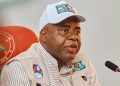
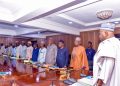
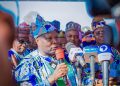
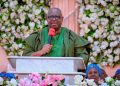
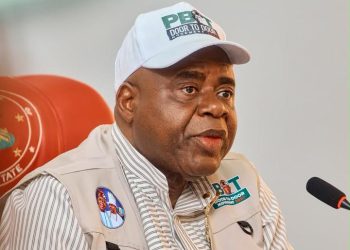
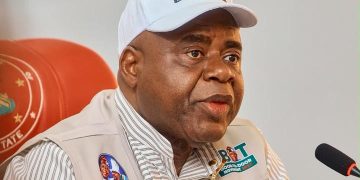
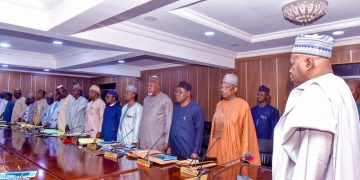
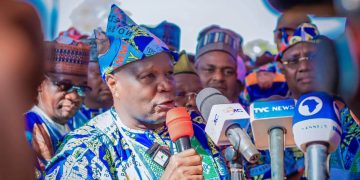
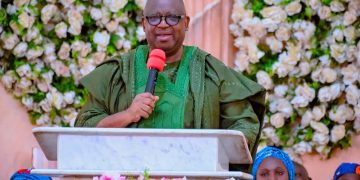
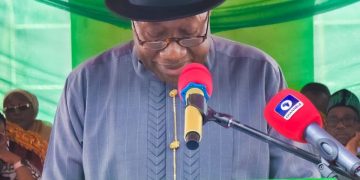
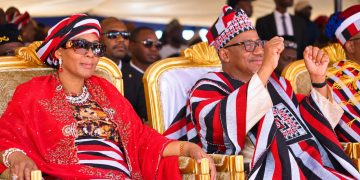
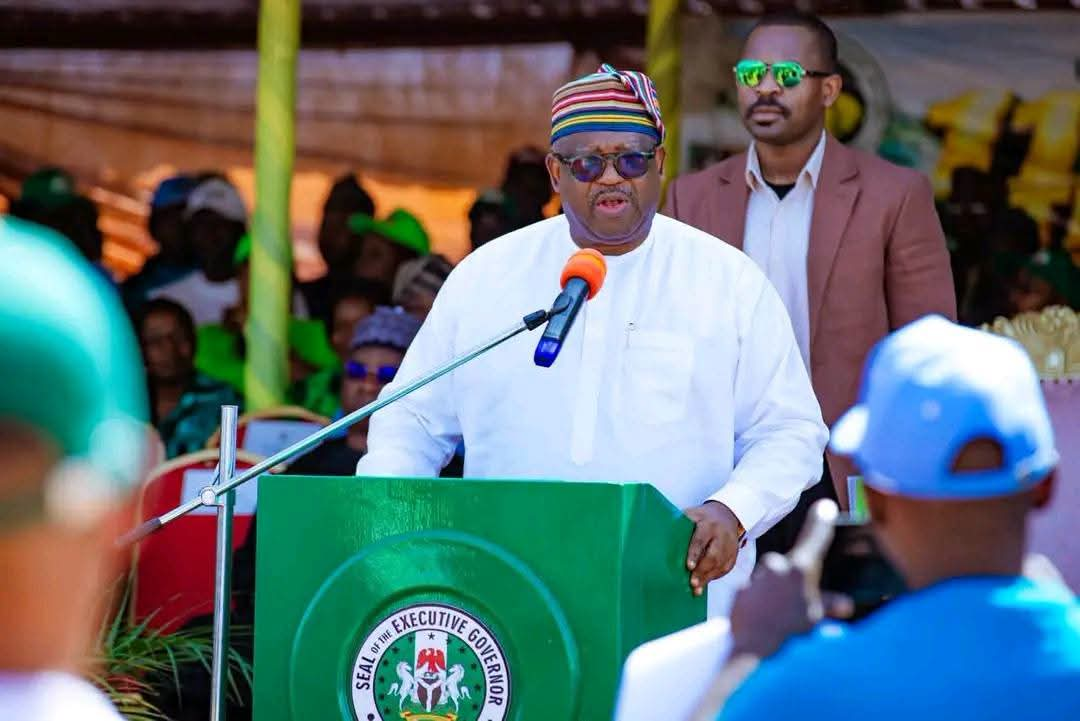
The state governor, Barr Caleb Mutfwang stated this last Wednesday, while declaring open the 11th Jos National Trade Fair, organised by the Plateau State Chamber of Commerce, Industry, Mines and Agriculture (PLACCIMA) at the Jos Polo Field, Jos.
He said his administration was committed to positioning Plateau as a major destination for industrial processing, trade and investment by harnessing its agricultural potential, strengthening local industries and creating sustainable employment opportunities.
As part of the strategy, the governor announced plans to establish a permanent Trade Fair and Exhibition Complex that would provide a year-round platform for manufacturers, entrepreneurs, investors and traders to showcase their products, establish partnerships and expand commercial activities.
He disclosed that a committee chaired by Elder Mulus Daring had been constituted to identify suitable locations for the proposed complex, while relevant stakeholders had been directed to begin preparations for the next edition of the trade fair.
The governor also highlighted ongoing efforts to revive the state’s tourism and industrial sectors, noting that Hill Station Hotel had resumed operations, while initiatives were being pursued to revitalise Plateau Hotel and other dormant industries.
He said the government was also working towards establishing a modern abattoir with the capacity to process up to 500 cattle daily, a development expected to create business opportunities across the livestock value chain.
On foreign investment, the governor revealed that his recent visit to China had yielded a Memorandum of Understanding with Chinese investors towards establishing an industrial park in Plateau State.
He said the proposed industrial park, alongside measures to improve energy supply and the business environment, would support the administration’s industrialisation agenda.
Agriculture, according to him, remains a major pillar of the state’s economic development plans, with efforts underway to revitalise potato production, strengthen the Plateau Potato brand and establish processing and cold-chain facilities for potatoes, vegetables and fruits.
The facilities, he explained, would help reduce post-harvest losses, increase farmers’ earnings and improve access to domestic and international markets.
He further disclosed that the government was engaging Nigerian Breweries on opportunities to expand barley production and strengthen partnerships between farmers and industrial manufacturers.
On youth employment, the governor said the proposed Business Process Outsourcing Centre at the former MTN facility in Bukuru was expected to provide training and employment opportunities for 1,800 young people, connecting them to businesses and opportunities in the global digital economy.
He added that the state government, in partnership with the United Nations Development Programme (UNDP), was advancing plans to establish an innovation centre at Plateau State Polytechnic, Barkin Ladi.
The administration had also made a budgetary provision of ₦1 billion to support research and innovative solutions developed by Plateau indigenes across various institutions, he said.
The governor reaffirmed his administration’s commitment to improving the ease of doing business, facilitating access to land for genuine investors and creating an enabling environment for businesses to thrive.
He said the theme of the trade fair, “Harnessing Agriculture and Livestock Value Chains for Food Security, Job Creation and Shared Prosperity,” aligned with the government’s development priorities.