
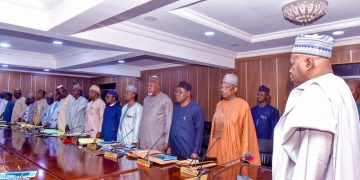
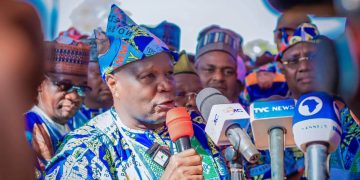
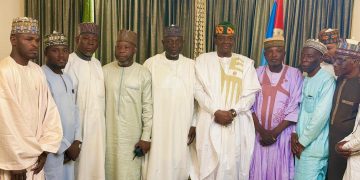
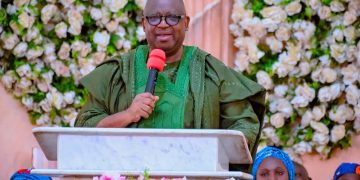

















Political leaders and other prominent stakeholders in Plateau State have been urged to prioritise dialogue, mutual understanding and collective responsibility as critical pathways to sustaining peace, unity and development in the state.
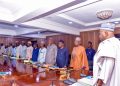
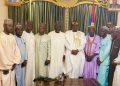
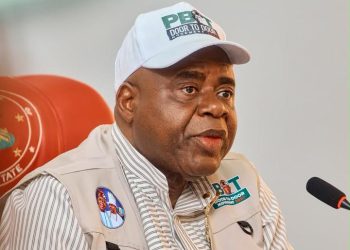
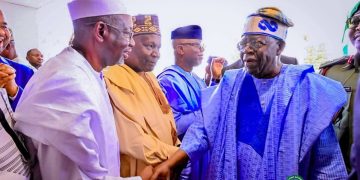
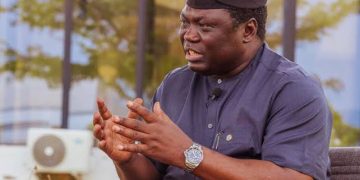
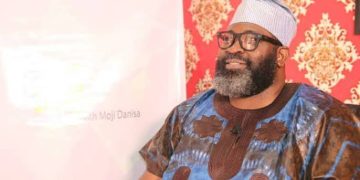
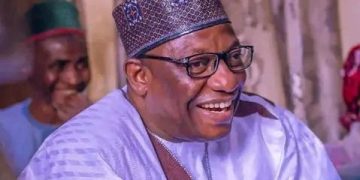
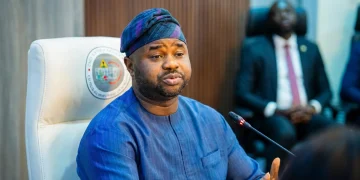
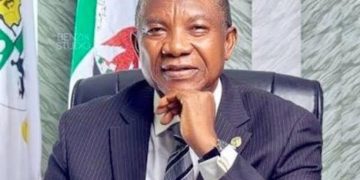
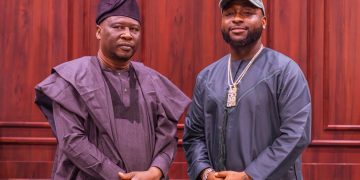
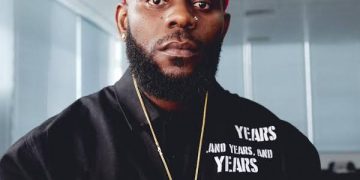
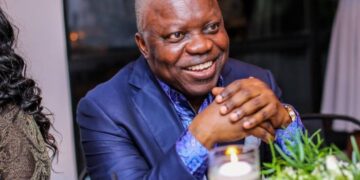
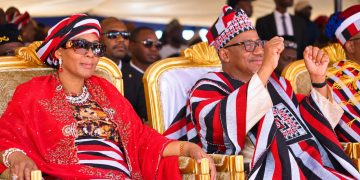
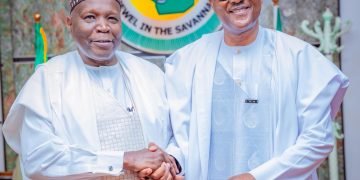
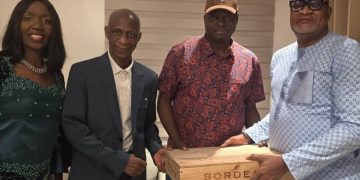
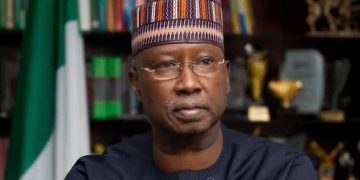
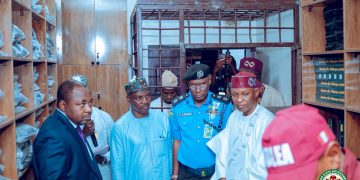
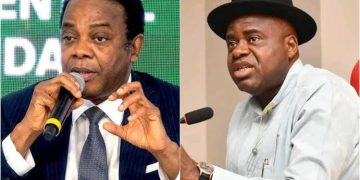
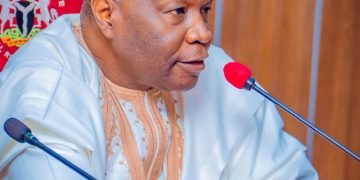
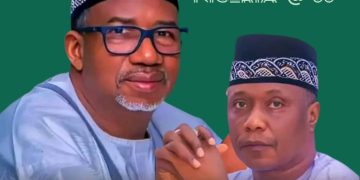
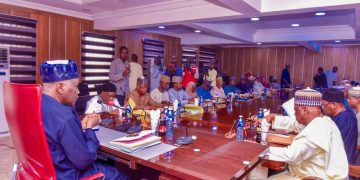
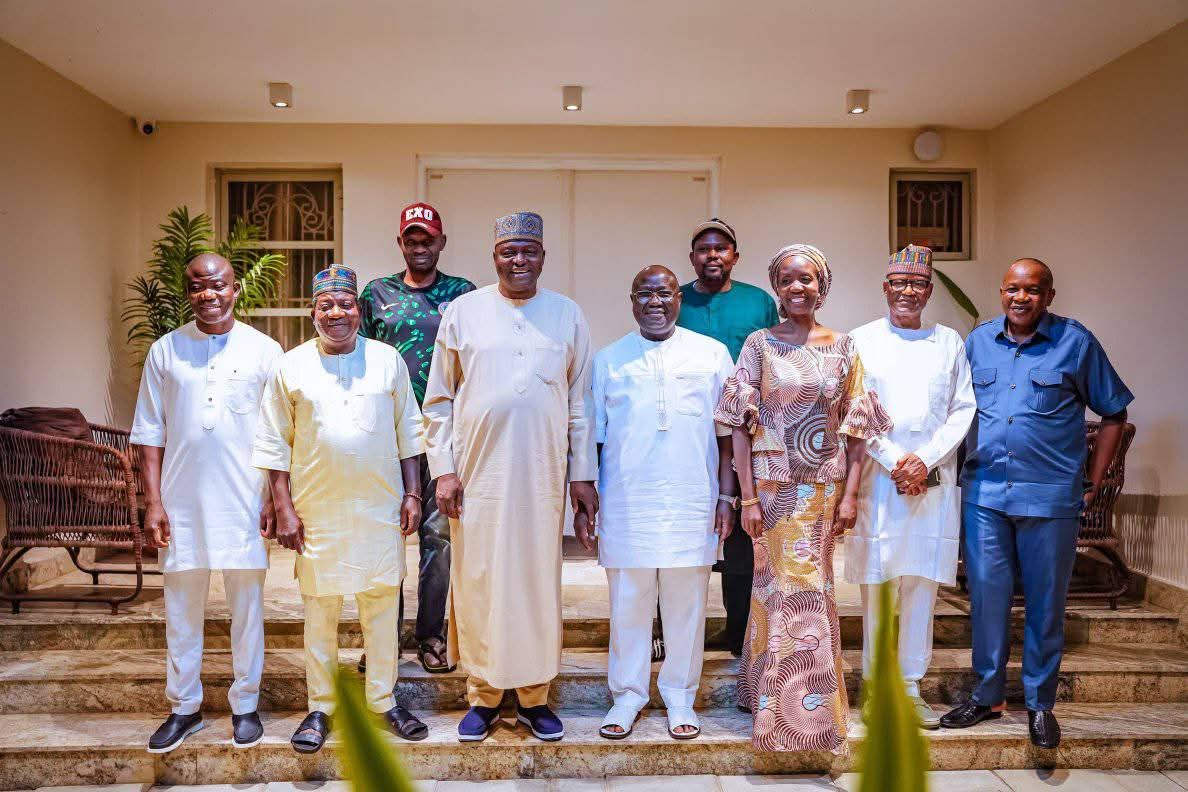
The call followed a gathering involving Professor Nentawe, Distinguished Senator Simon Bako Lalong, KSGG, CON; Hon. Beni Lar; Air Vice Marshal Napoleon Bali; Hon. Ubandoma; Exo Pyennap; Hon. Zulfa; and Jibrin Banchir.
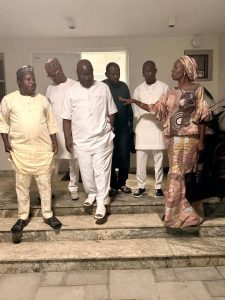
The engagement was described as a significant opportunity for political leaders to bridge existing divides, strengthen relationships and promote a common vision for the future of Plateau State.
Against the backdrop of the state’s political, ethnic and social diversity, the gathering underscored the need for leaders to rise above political differences, personal interests and individual ambitions in pursuit of the collective good.
It stressed that Plateau’s diversity should be regarded as a source of strength rather than division, noting that lasting peace and sustainable development could only be achieved through mutual respect, tolerance and cooperation among stakeholders.
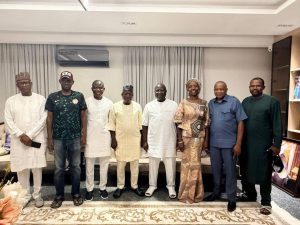
The engagement also highlighted the importance of constructive dialogue in redefining political relationships and creating an atmosphere where disagreements can be managed without undermining longstanding relationships and shared aspirations.
It further noted that true leadership goes beyond occupying political positions or enjoying public recognition, but also entails the ability to listen, accommodate divergent opinions, build bridges and create common ground for the benefit of the people.
The gathering called for a renewed commitment to constructive conversations, peaceful coexistence and collective action, stressing that the responsibility of building a prosperous Plateau State cannot be left to one individual or political group.
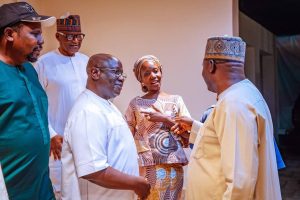
It emphasised that the state’s future requires the wisdom, commitment and cooperation of all political, traditional and other relevant stakeholders.
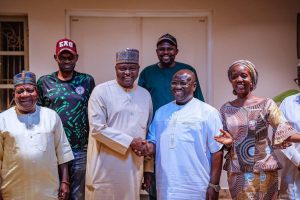
The engagement was therefore seen as an important step towards fostering political understanding, strengthening unity and advancing a shared vision of a peaceful, stable and prosperous Plateau State.