






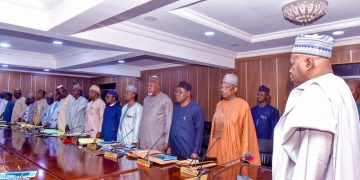
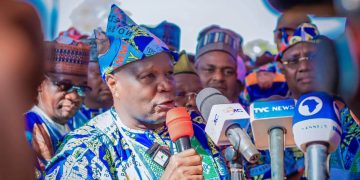
















































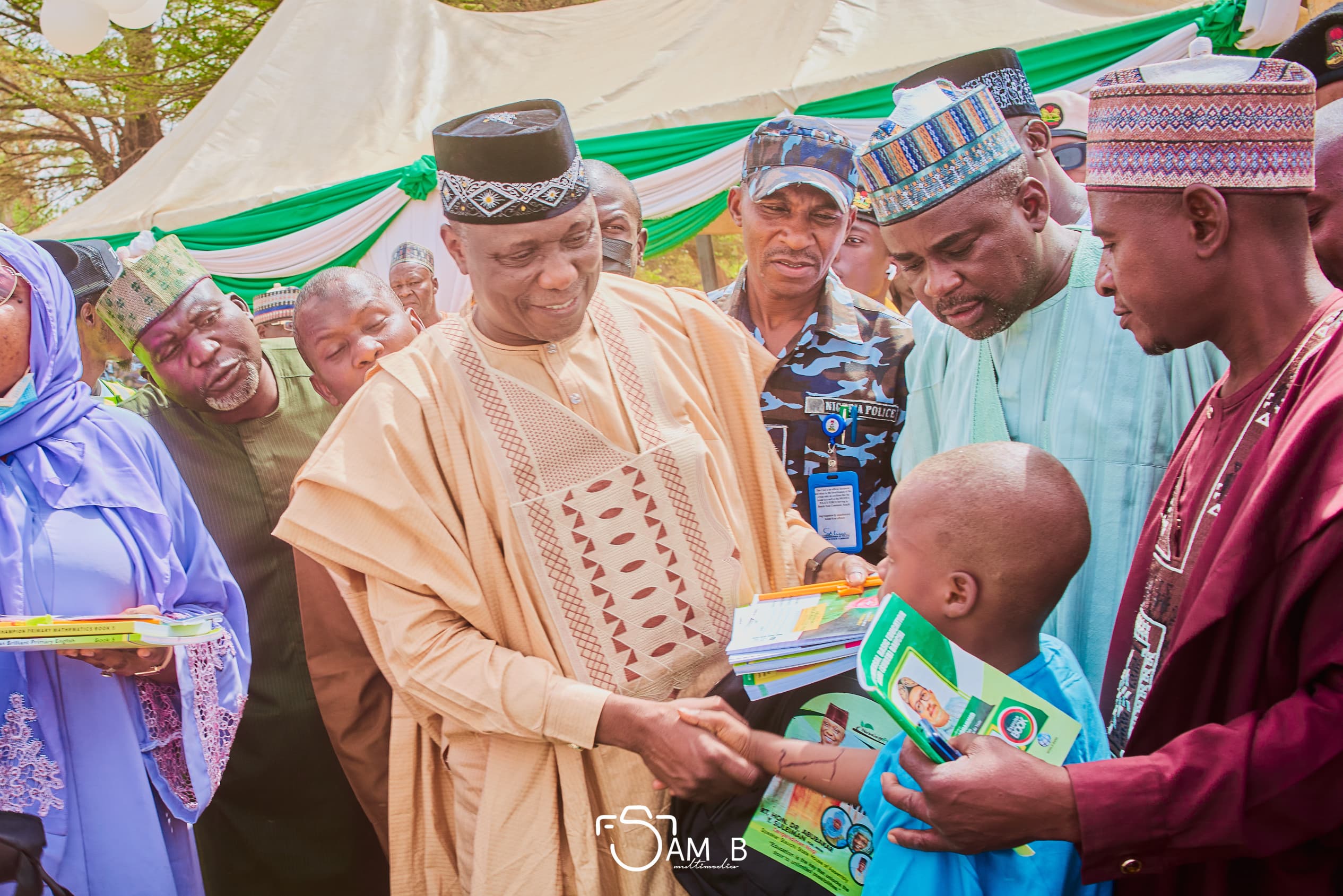
Education remains one of the most effective tools for societal transformation, offering the promise of a better future for individuals and communities alike. However, in Nigeria, the challenges of inadequate resources, lack of access to basic educational tools, and limited opportunities for intellectual engagement continue to undermine the potential of many students. To address these pressing concerns, Dan Galadiman Ningi, Rt. Hon. Abubakar Y. Suleiman, Speaker of the Bauchi State House of Assembly, took a significant step by sponsoring the distribution of academic materials to 1,000 students in Ningi Local Government Area in commemoration of the 2025 World Education Day.
This intervention marked more than just the provision of learning resources. Alongside distributing textbooks, notebooks, and writing tools, the initiative gave students a platform to express themselves, engage in discussions on thoughtful topics, and explore new perspectives. These moments were aimed at broadening their minds and encouraging the development of problem-solving and communication skills essential for their future success.
The educational sector in Nigeria, especially in underserved areas, often struggles with insufficient resources and support systems. Many students share outdated textbooks or rely on limited teaching aids, while opportunities for creative and critical thinking remain scarce. This initiative provided much-needed relief to students, giving them not just tools for learning but also the confidence to envision a future where they can confront challenges and excel.
One of the most commendable aspects of this intervention was its focus on fostering a mindset of growth and resilience. It encouraged young learners to see education as a pathway to empowerment, not just through the materials they received but also by exposing them to an environment that promotes curiosity and meaningful engagement.
The impact of such gestures extends far beyond the immediate benefits. Research consistently demonstrates that investments in education yield long-term benefits for individuals and societies. For example, students equipped with quality materials and opportunities for intellectual growth are more likely to achieve academic success, participate in their communities, and contribute positively to the economy. This initiative by Barden Kudun Katagun stands as a clear example of how targeted interventions can drive such outcomes.
The distribution of these materials, coupled with the emphasis on nurturing critical thinking, reflects a broader vision for education that prioritizes not just access but also the quality and depth of learning experiences. This is the kind of forward-thinking approach needed to address the systemic issues that have hindered Nigeria’s educational progress.
As the program concluded, there was a shared sense of hope and optimism among all involved. Teachers and parents expressed their appreciation for the action, while the students themselves left inspired and motivated to strive for excellence.
Dan Galadiman Ningi’s gesture is a powerful reminder of the responsibility shared by all stakeholders to support education. By bridging gaps and creating opportunities for intellectual and personal growth, enterprises like this lay the foundation for a future where every child has the tools and confidence to reach their full potential.
Through education, we invest not just in individuals, but in the collective destiny of our nation.
Usman Abdullahi Koli,
mernoukoli@gmail.com.