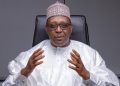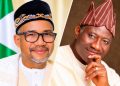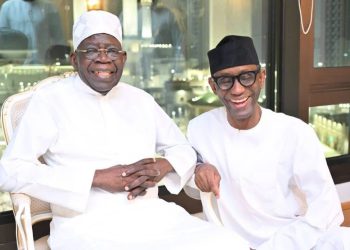

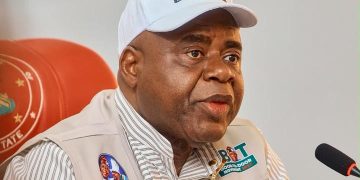

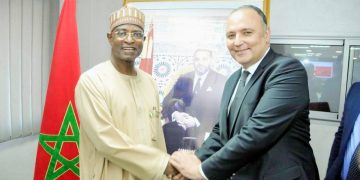

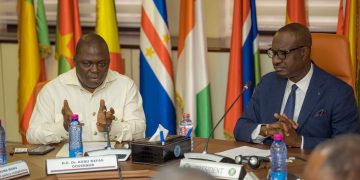


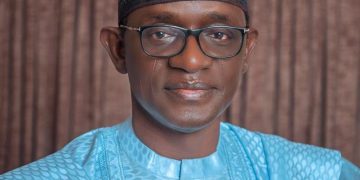
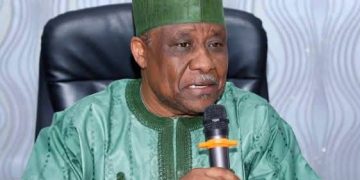




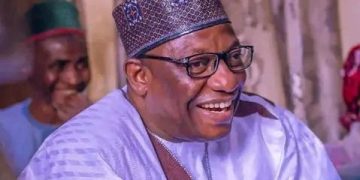

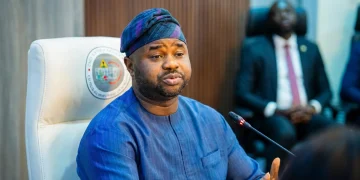
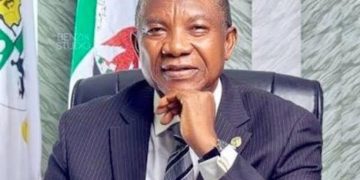
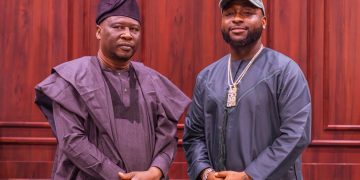





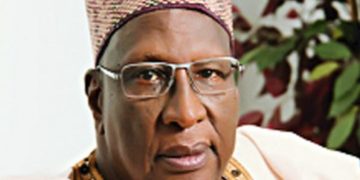
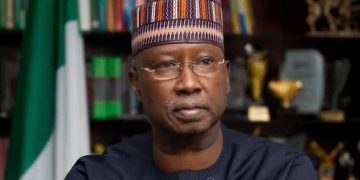










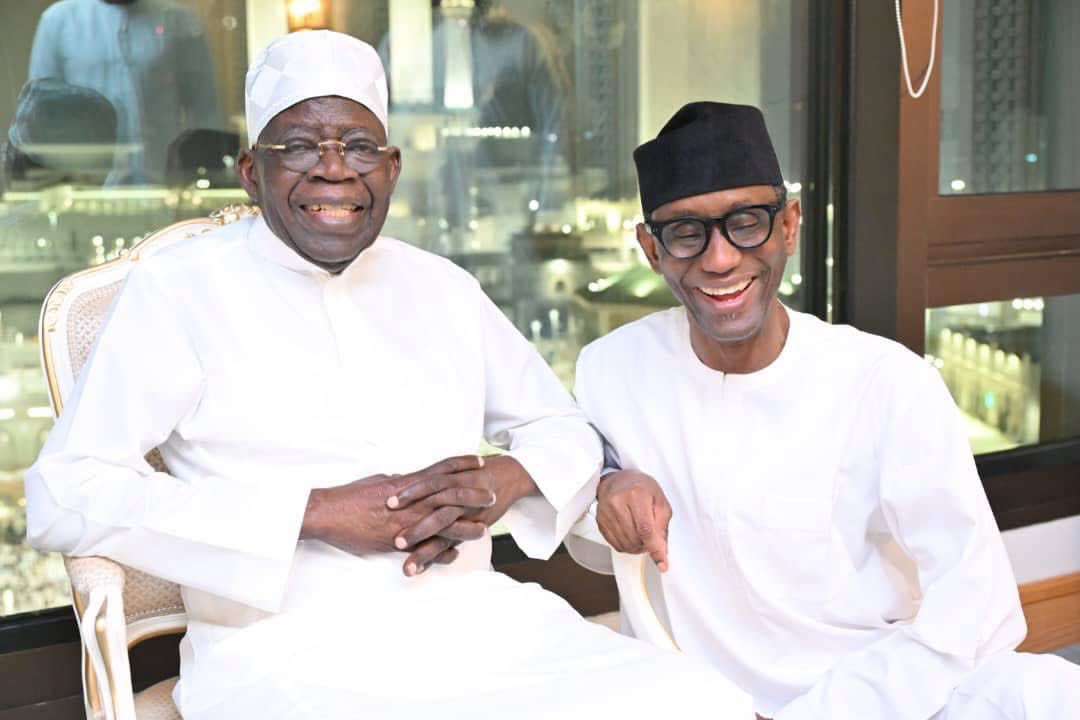
As Mallam Nuhu Ribadu marks his 66th birthday, Nigeria has cause to celebrate a patriot whose career has been defined by integrity, institutional building, and a clear-eyed determination to confront the country’s most stubborn threats.
Born on 21 November 1960 in Yola, Adamawa State, Ribadu has moved from pioneer anti-corruption czar to National Security Adviser under President Bola Ahmed Tinubu, bringing the same prosecutor’s discipline to the war against insurgency, banditry, and economic sabotage.
Appointed NSA in June 2023, Ribadu has approached the security portfolio with strategic precision rather than rhetoric. He has worked to synthesise the operations of the Armed Forces, Police, Department of State Services, and other agencies, breaking down the silos that previously undermined effectiveness.
Under his stewardship, inter-agency synergy has visibly improved. Coordinated intelligence, shared operational planning, and clearer lines of responsibility have produced results across theatres: the North-East, North-West, North-Central, South-East, and the Niger Delta.
This coordination has contributed to the neutralisation of large numbers of terrorists, bandits, and associated criminals. Official and media reports cite well over 13,000 such elements neutralised, alongside thousands arrested and large quantities of weapons recovered. Among the notable commanders taken off the battlefield are Kachalla Halilu Sububu (also known as Halilu Buzu), Boderi Isyaku (linked to major kidnappings and the Nigerian Defence Academy attack), Buharin Yadi, the bandit known as “Dangote,” Alti (the so-called “TikTok bandit”), and several other Kachalla figures.
High-value targets have also fallen, including senior Islamic State figure Abu-Bilal al-Minuki (also called Abu-Mainok), eliminated in a joint Nigeria–United States operation in the Lake Chad Basin in May 2026.
These operations have been accompanied by the rescue of thousands of hostages and a measurable degradation of some terrorist and bandit networks.
Ribadu’s training as a lawyer and prosecutor has proved particularly useful in attacking the financial lifelines of insurgency and banditry. By treating terrorist financing as a national-security priority, his office has supported efforts to disrupt funding streams, logistics, and recruitment.
This has been reinforced by the judicial track: more than 2,000 terrorism-related cases have proceeded to trial in recent years, yielding over 1,000 convictions. The combination of kinetic pressure and legal accountability has raised the cost of participating in or enabling violence.
In the Niger Delta, security measures against oil theft and pipeline vandalism have helped lift crude production from levels below 1 million barrels per day in early 2023 toward approximately 1.7–1.8 million barrels per day. Ribadu has also personally engaged in the delicate Ogoni peace process, leading high-level delegations to deepen dialogue aimed at creating conditions for the possible resumption of oil operations after decades of suspension. These steps have contributed to relative calm in parts of the region and to Nigeria’s improved fiscal position.
Diplomatically, Ribadu has strengthened Nigeria’s partnership with the United States. Through the Nigeria–US Joint Working Group and high-level engagements, he has helped secure enhanced intelligence sharing, operational coordination, and the delivery of equipment including drones, helicopters, and related systems. The May 2026 joint operation that eliminated Abu-Bilal al-Minuki stands as a concrete outcome of this collaboration, demonstrating how diplomatic engagement can translate into battlefield results against high-profile terrorists.
Throughout his public life, Ribadu has maintained a reputation for personal integrity. As the pioneer Chairman of the Economic and Financial Crimes Commission (EFCC) from 2003 to 2007, he set the template for the institution that exists today. Under his leadership the EFCC pursued high-profile cases, including that of a sitting Inspector-General of Police—secured roughly 270 convictions, helped remove Nigeria from the Financial Action Task Force’s list of non-cooperative countries and territories, and secured admission to the Egmont Group.
He famously resisted a $15 million cash bribe attempt linked to then-Governor James Ibori, ensuring the money was deposited and preserved as evidence.
No credible personal corruption allegations have attached to him in either the EFCC or the Office of the National Security Adviser, a rare distinction for holders of such sensitive posts. This track record has earned him respect among colleagues, security professionals, and political counterparts.
As one of President Tinubu’s trusted allies in the North, Ribadu has worked consistently to justify that confidence through results and loyalty to the Renewed Hope Agenda. He has avoided the distractions that often accompany high office and has focused on the practical tasks of coordination, intelligence, and institutional improvement.
Nigeria continues to face complex and adaptive security threats. Yet the measurable gains in inter-agency coordination, the elimination of key commanders, the disruption of financing, the improvement in oil production, and the deepening of strategic partnerships under Ribadu’s watch demonstrate what focused, incorruptible leadership can achieve.
At 66, Mallam Nuhu Ribadu remains in the thick of service. May God grant him long life, good health, and continued wisdom as he labours for the nation’s security. A country that aspires to lasting peace and prosperity needs upright and competent leaders of this calibre to help steer it forward.
Ndubuisi Janeth Chinenye is a researcher/Political Analyst and she writes from Sydney, Australia.