














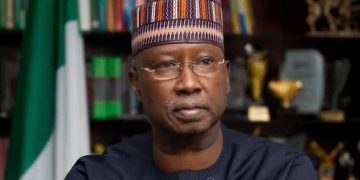









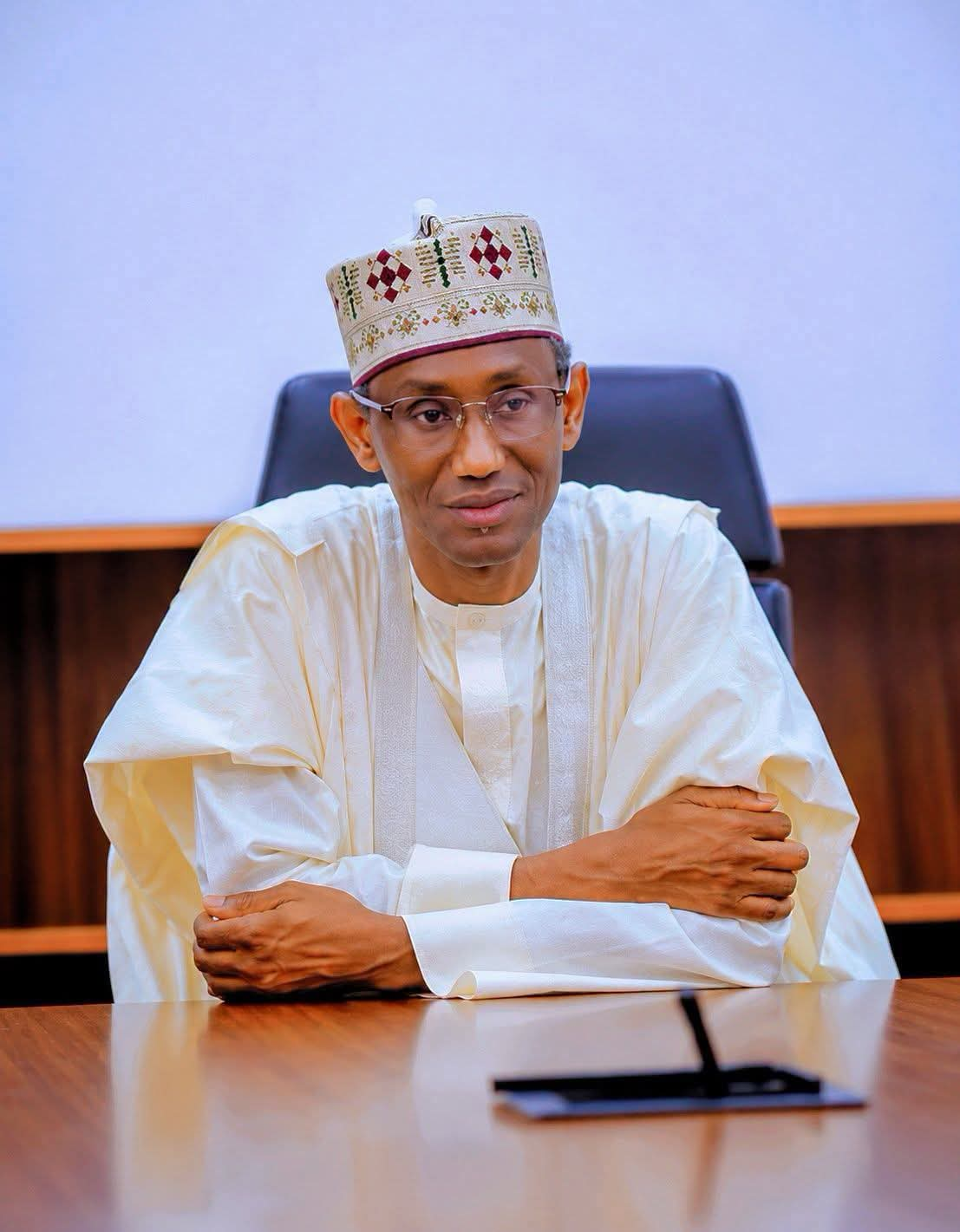
Amidst the ongoing political discussions in Nigeria, Malam Nuhu Ribadu, the National Security Adviser, remains a prominent figure. While recent social media discourse has included calls for his removal, a broader perspective reveals a narrative of bravery, intelligence, and reform. For Adamawa State, Malam Ribadu is not merely a public servant; he is an intellectual asset whose contributions extend significantly beyond his hometown of Yola.
From Yola to the World
Born on November 21, 1960, Mr Ribadu’s journey commenced with his education in Adamawa before he pursued studies at Ahmadu Bello University, Oxford University, and Harvard Business School. His father, Ahmadu Ribadu, served as a parliamentarian in Nigeria’s First Republic, thereby establishing a legacy of public service within the family.
A Legacy of Reform
– EFCC Leadership: As the inaugural chairman of the Economic and Financial Crimes Commission (2003–2007), Mr Ribadu significantly transformed Nigeria’s anti-corruption efforts. His tenure resulted in numerous convictions and enhanced Nigeria’s standing in global financial circles.
– National Security Adviser: Appointed in June 2023, Malam Ribadu became the first civilian National Security Adviser since 1999. His approach has shifted Nigeria’s security doctrine from a reliance on force to intelligence-driven, community-focused strategies. Reports indicate considerable progress in counter-terrorism, reducing kidnappings, and curbing oil theft.
His Qualities are: – Courage: MMrRibadu’s record includes the prosecution of influential individuals, even within the police force.
– Integrity: He is widely considered to be incorruptible, having utilised attempted bribes as evidence against offenders.
– Intellect: He consistently frames security as an outcome of justice, education, and opportunity.
Adamawa’s Pride: For Adamawa, Mr Ribadu represents more than a national figure. He serves as a role model for young people, a facilitator of understanding in the North-East, and a philanthropist who invests in education and peace-building initiatives. His repeated attempts to secure the governorship of Adamawa reflect not desperation, but a desire to implement his reformist vision within his home state.
Politics and Performance: While some may question his tenure, the available facts demonstrate progress. Calls for his removal appear to be more politically motivated than performance-based. In a nation where insecurity has often been exploited by entrenched interests, MMrRibadu’s reforms have disrupted established systems. Supporters contend that dismissing him at this juncture would be to penalise positive outcomes rather than actual shortcomings.
Mr Nuhu Ribadu embodies Adamawa’s contribution to Nigeria’s stability. His combination of courage, intellect, and patriotism establishes him not only as a son of Adamawa but also as a national reformer whose work continues to shape Nigeria’s security framework.