

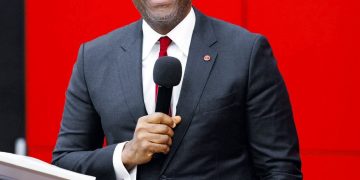



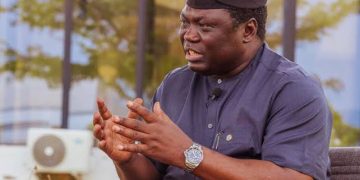


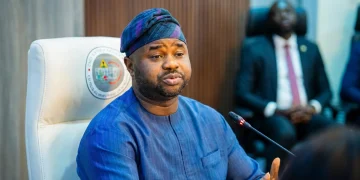











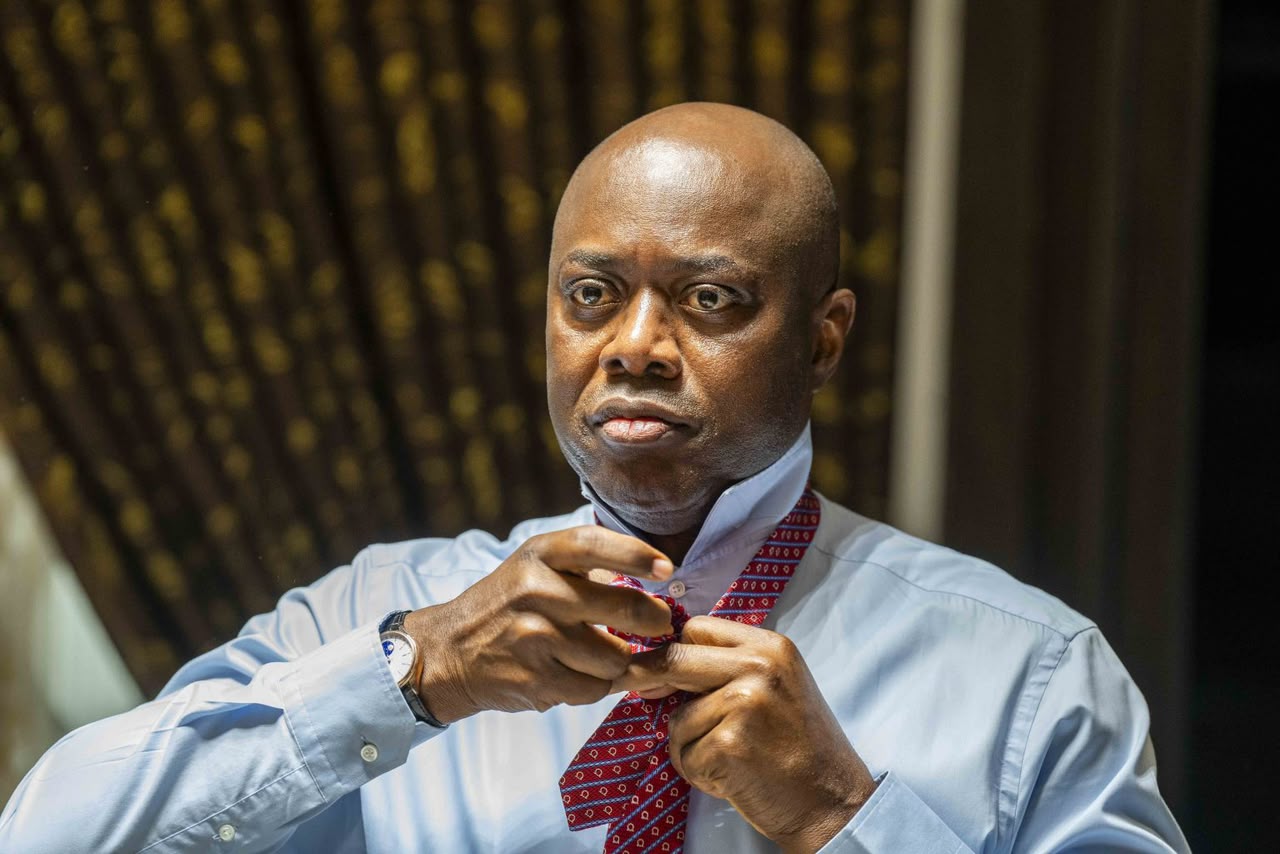
Oyo State Governor, Seyi Makinde, has explained why he withdrew his support for President Bola Ahmed Tinubu ahead of the 2027 presidential election, citing concerns over economic hardship, governance, national unity and the implementation of economic reforms.
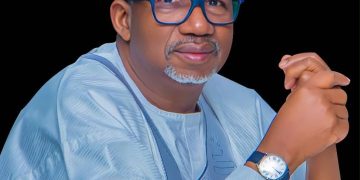
Makinde, who is seeking the presidency under the platform of the Allied Peoples Movement (APM), said his decision to contest against Tinubu was not motivated by personal disagreements or political ambition but by what he described as the need to change the direction of the country.
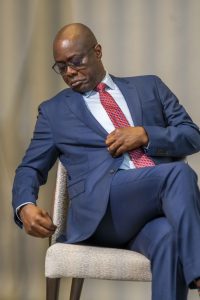
In a special newsletter released as part of his presidential campaign, Makinde recalled that he supported Tinubu during the 2023 presidential election because he believed the President would promote national unity, competence and economic opportunities for Nigerians.
However, he said developments in the past three years had weakened his confidence in the administration’s ability to deliver on those expectations.
The governor identified four major reasons for his withdrawal of support: economic stabilisation without corresponding development, continued reliance on excuses for governance challenges, the pursuit of political power at the expense of national unity, and the implementation of economic reforms without adequate protection for vulnerable Nigerians.
On the economy, Makinde acknowledged improvements in some macroeconomic indicators but argued that such gains had not translated into better living conditions for ordinary citizens, productive businesses, employment opportunities and improved household incomes.
He also faulted what he described as the administration’s continued explanation of inherited challenges, including poverty, insecurity and electricity problems, insisting that Nigerians deserved measurable progress rather than repeated justifications.
The governor further expressed concern over what he characterised as the weakening of opposition political parties, arguing that a healthy opposition was essential to democratic development and national unity.
On economic reforms, particularly the removal of petrol subsidy and changes to the foreign exchange system, Makinde said he supported the need for reforms but believed they should have been preceded by adequate preparations and measures to cushion their effects on citizens.
Explaining how he would have handled the subsidy removal differently, the governor said he would have used the presidential transition period to develop a coordinated intervention framework involving the Federal Government, state governments and local councils through the National Economic Council.
He said such an arrangement would have enabled the various levels of government to agree on funding, identify vulnerable groups and establish transparent mechanisms for delivering relief to Nigerians.
Makinde cited his administration’s response in Oyo State following the removal of petrol subsidy, noting that his government introduced additional Omituntun buses, maintained existing transport fares and provided half-price transportation for students and senior citizens within 11 days.
He also highlighted the introduction of the Sustainable Actions for Economic Recovery (SAfER) programme in August 2023, which he said provided food assistance to 200,000 vulnerable households, subsidised public transportation and supported small businesses and farmers through loans and agricultural inputs.
According to him, the experience demonstrated that governments could combine economic reforms with immediate interventions to protect citizens from excessive hardship.
Reflecting on his background, Makinde said he grew up in a modest family, with his father working as a teacher before retraining as an accountant and his mother serving as a civil servant.
He attributed his personal success to the opportunities provided by education, hard work and determination, noting that his experience inspired his desire to create similar opportunities for millions of Nigerian