
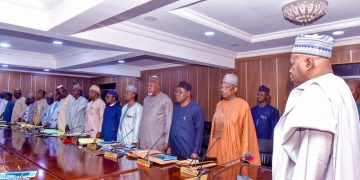
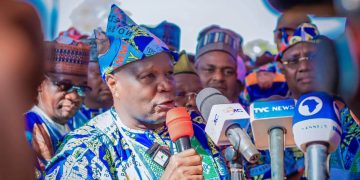
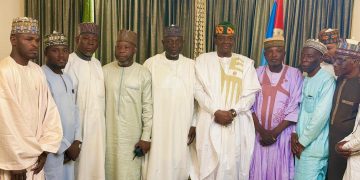












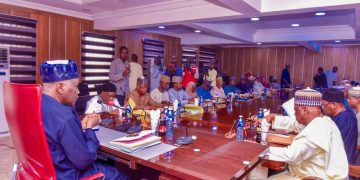




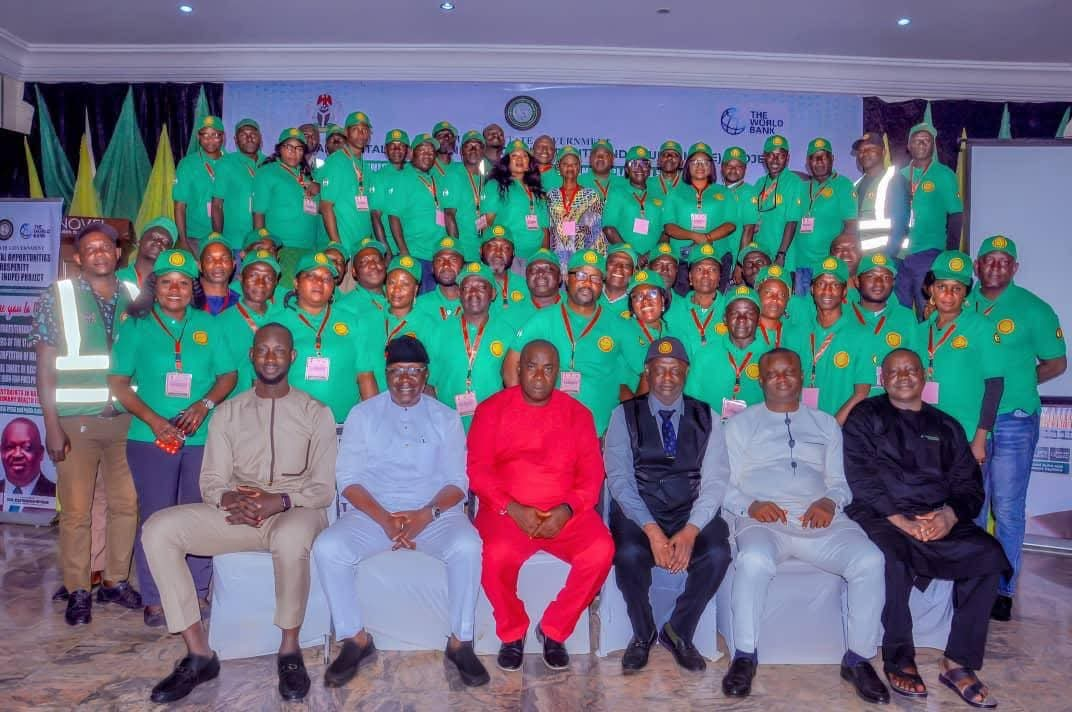
The Plateau State Government, under the leadership of Governor Caleb Manasseh Mutfwang, has commenced a comprehensive training program to enhance the financial management capabilities of its 17 local government councils.
The initiative which is part of the Human Capital Opportunities for Prosperity and Equity (HOPE) Project is a collaborative effort with the World Bank, designed to address critical gaps in basic education and primary healthcare by improving financial and human resource management.
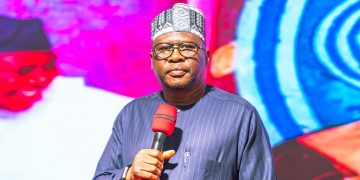
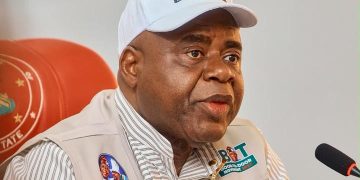
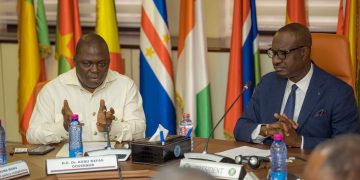
The training workshop, presided over by the Chief of Staff, Mr. Jeremiah Satmark, who is the Focal Person on all World Bank Interventions in Plateau State, represented the governor. The project is focused on the adoption of harmonized guidelines and the National Chart of Accounts (NCOA) for the purpose of Accountability and transparency within the national, sub national and the Local Government.
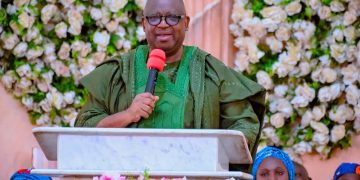
Speaking at the event, Mr. Satmark emphasized that the training is a cornerstone of the administration’s reform agenda, designed to build institutional capacity and deliver tangible results for the citizens of Plateau State.
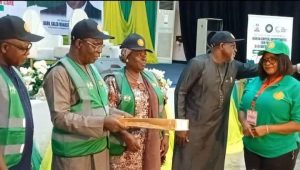
He stated that the training indicated the government’s commitment to providing the necessary resources to support the project’s initiatives and advised the officers to utilize the skills gained to inform budget proposals and foster community dialogue.
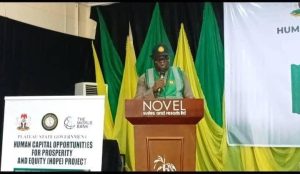
The Commissioner for Budget and Economic Planning, Hon. Adams Bulus Lekshak, in his speech emphasized that the training is a critical step towards achieving the objectives of the HOPE program, implemented by the Ministry of Budget and Economic Planning with the goal to equip local government directors with the necessary knowledge of budget processes and ensure that resources are utilized in a transparent, accountable, and efficient manner.
He urged participants to actively engage in the training, seeing it as an opportunity for professional development. He also noted that the knowledge gained will significantly enhance auditing processes and foster sound economic planning.
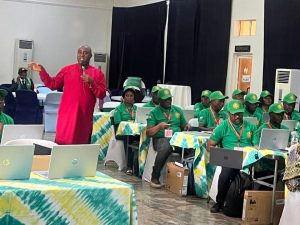
Speaking earlier, the project coordinator, Mr Aliyu Baba, presented an overview of the project by emphasizing the crucial role of human capital development in national progress, particularly in strengthening resilience, inclusivity, and sustainability.
He highlighted the Hope Project’s mission to enhance financial performance and resource management in the basic education and primary healthcare sectors across Plateau State.
Baba outlined the three main programme development objectives: increasing the availability and effectiveness of finances, enhancing transparency and accountability, and improving the recruitment, deployment, and performance management of personnel in the targeted sectors. These interventions are designed to improve the lives of communities.
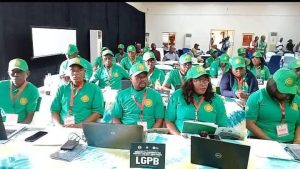
Participants, including budget, finance, and audit desk officers from all 17 Local Government Areas, have been provided with systems and laptops to facilitate hands-on learning. Experts from Harvard, the World Bank team, and the Nigerian Governors’ Forum are serving as facilitators, providing participants with practical tools for evidence-based planning and pragmatic budgeting.
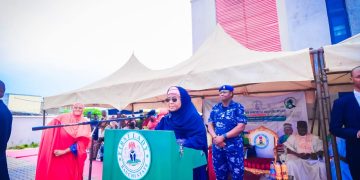
Goodwill messages were received from the Head of Civil Service, Mr. Stephen Pam Gadongs and the Executive Chairman, SUBEB, Mr Sunday Amuna, respectively, urging participants to do their best in the training to foster development in Plateau State.
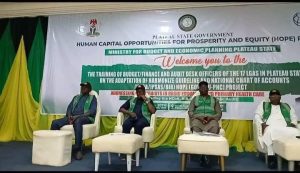
The workshop is expected to have a lasting impact on the future of Plateau State, serving as a stepping stone towards achieving progress, equity, and prosperity by ensuring a transparent and effective local government system.