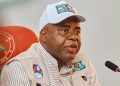

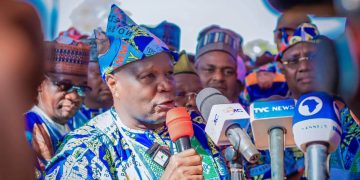
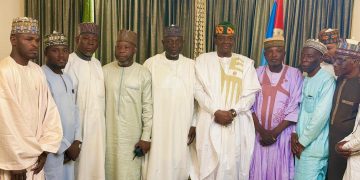
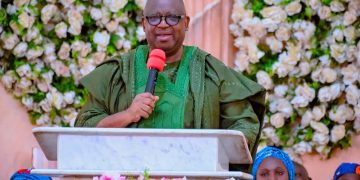

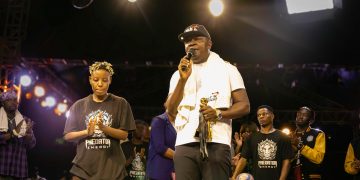


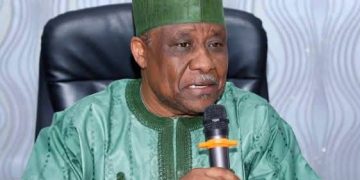
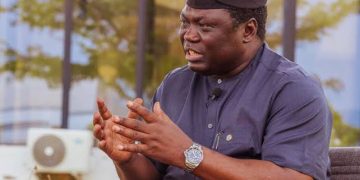





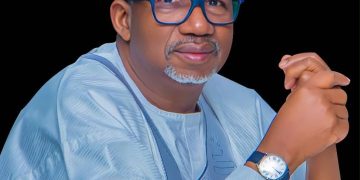
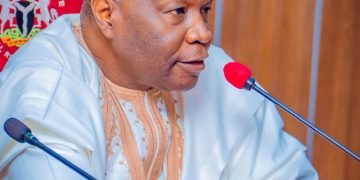
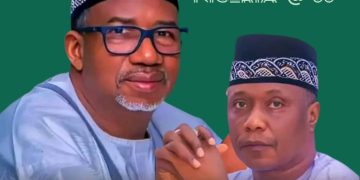
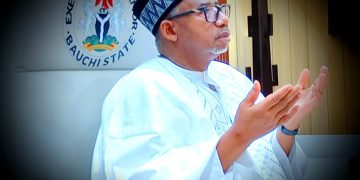


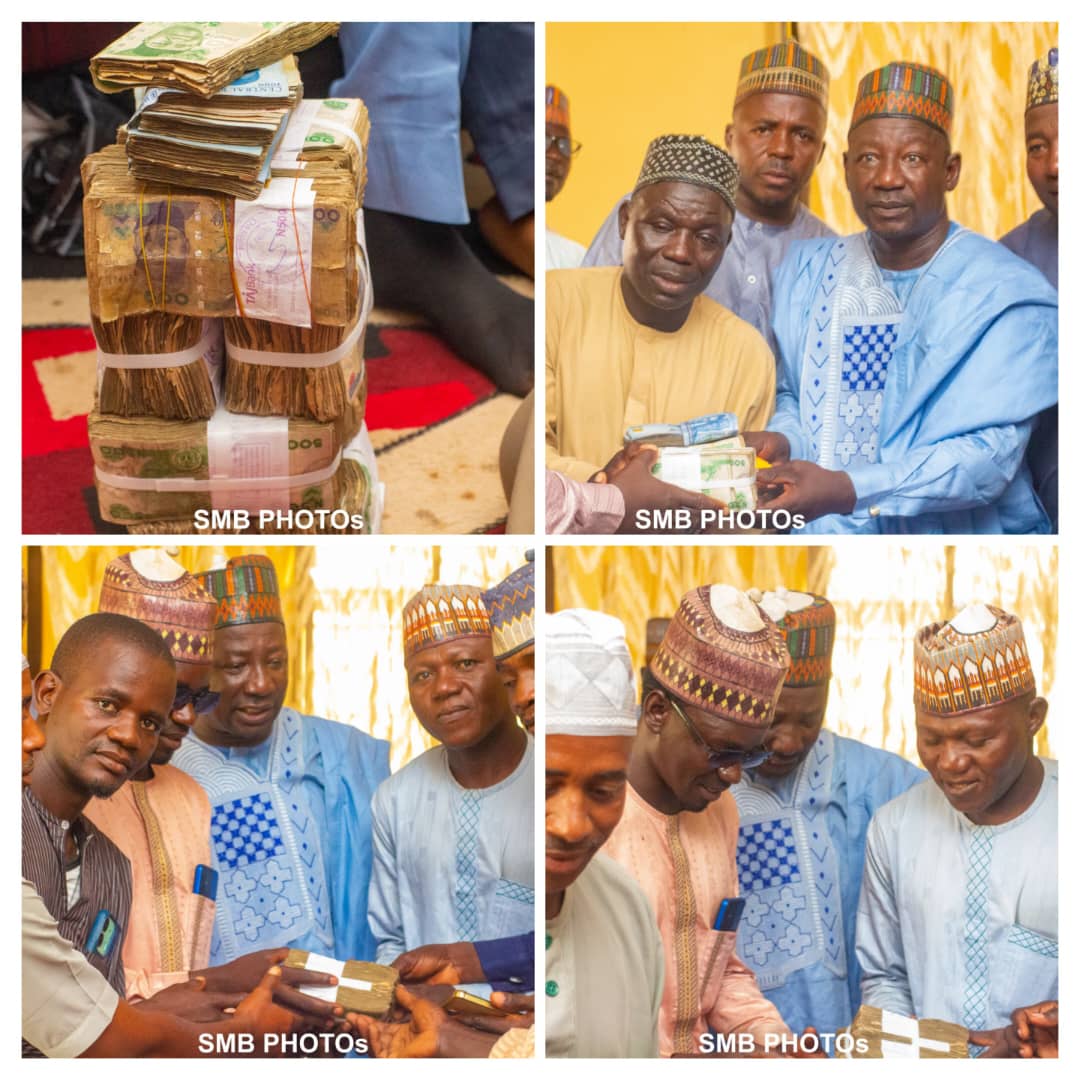
In a confident move to execute projects capable of halting decades of difficulties, a Member representing the good people of Burra Constituency in the Bauchi State House of Assembly, Hon. Ibrahim Tanko Burra bore the financial burdens of key developmental projects. Hon. Burra gives back while building lasting legacies for all constituents; he is a representative that unites, transforms and economically uplifts lives.
According to Hon. Ibrahim Burra, after compiling community needs from Bashe, Gamji and Kafin Lemo wards costing a sum of One Million Four Hundred Thousand and Ninety Two naira (₦1,492,000), half of the funds in each ward was released to start the works. However, some of the projects under direct labour include culverts and bridges constructions, drilling of boreholes, mosques renovation, animals slaughter tent, etc.
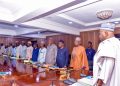
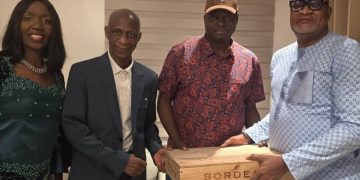
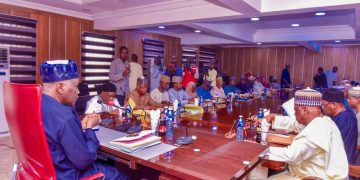
The sum of Seven Hundred Thousand naira (₦700,000) out of the estimated amount of one million naira was handed over to the representatives for the culvert work to start in Agwarmaji. Similarly, representatives from Gamji ward received Two Hundred and Fifty Thousand naira (₦250,000) to build animals slaughter tent while the works in Bashe ward got Six Hundred Thousand naira (₦600,000). It was revealed that a mosque in Tashan Loko lacked doors, Hon. Ibrahim Burra instantly gave one Hundred Thousand naira to secure the doors.
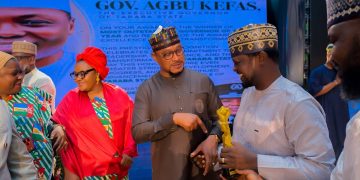
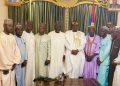
Moreso, the 26 representatives from the 3 benefitting wards were given gifts of Ten Thousand naira (₦10,000) each and another Fifty Thousand naira (₦50,000) per bus to cover transport fares. In totality, vibrant Hon. Ibrahim Tanko Burra spent the sum of Three Million and Fifty Thousand naira (₦3,050,000) primarily to improve lives, ease transportation and perform devotions in a conducive atmosphere.
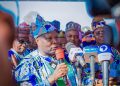
In their separate remarks, Yahaya Ibrahim Lingya from Bashe, Ado Shugaban Matasa from Gamji and Usman Galadima from Agwarmaji all thanked the Member for always bringing what add value to the people. Also, they promised to be supervising the works to ensure that standard materials are used and qualitative works are conducted.