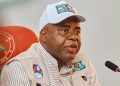

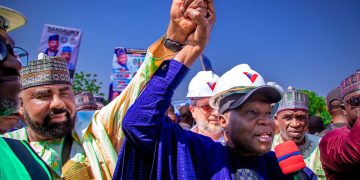
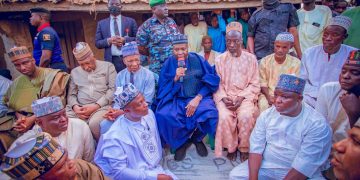

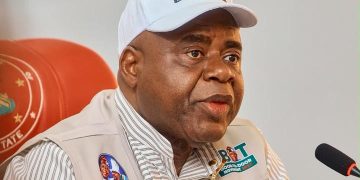
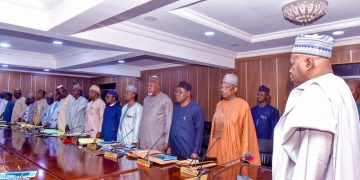


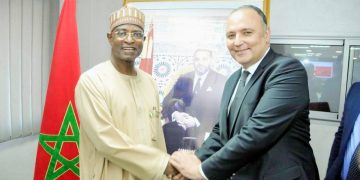

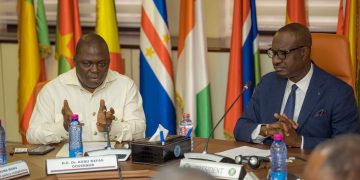


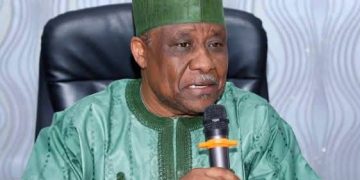




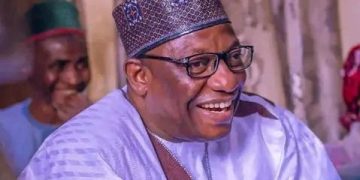

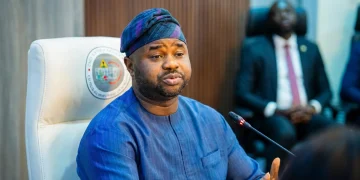







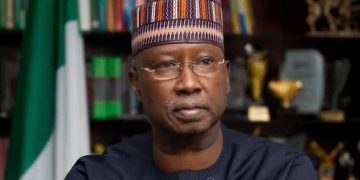
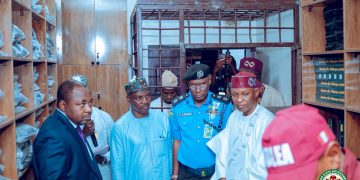
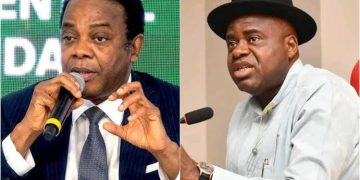

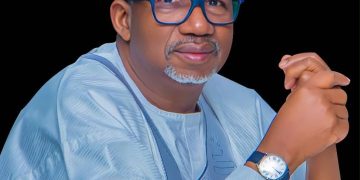
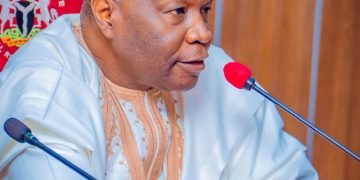

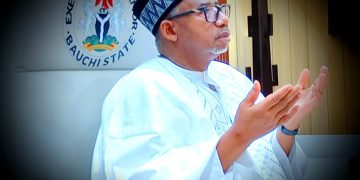
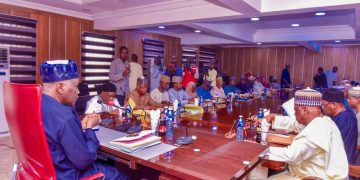







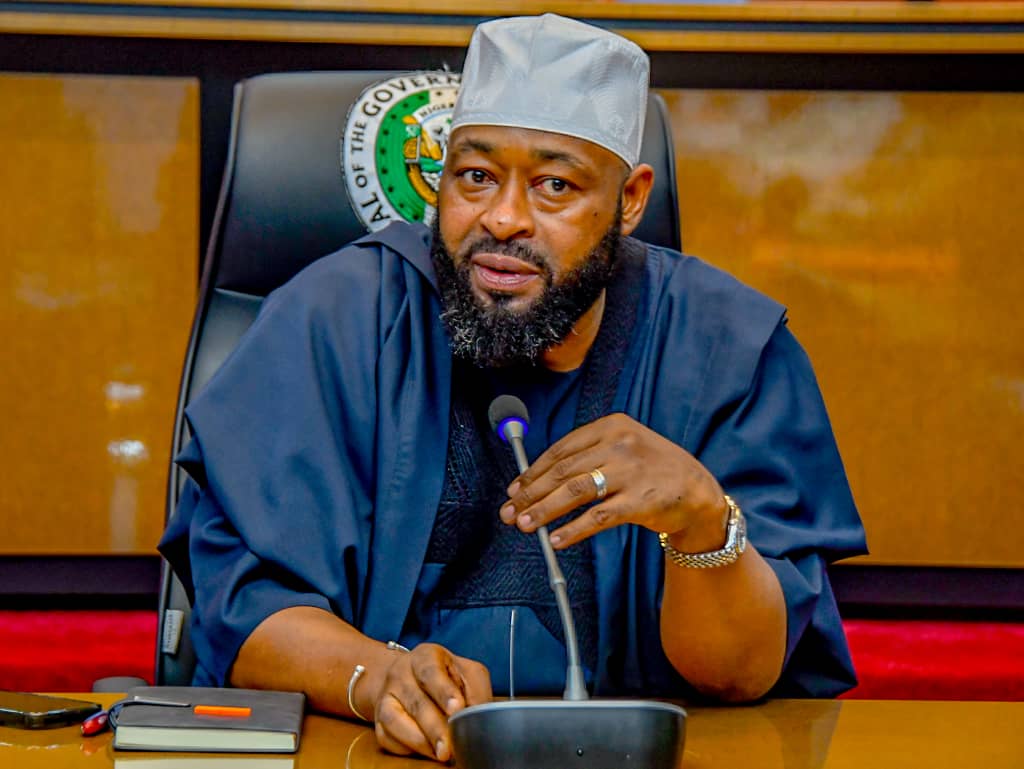
In the evolving political climate of Niger State, one figure continues to rise above the din of partisan noise with unwavering focus and a clear vision for development—Governor Mohammed Umaru Bago. Despite facing a flurry of politically motivated criticisms and coordinated media offensives, the Governor remains resolute, unfazed by distractions, and deeply committed to the mission of delivering governance that works for the people.
Since assuming office, Governor Bago has demonstrated what it means to lead with conviction and substance. Across the 25 local government areas of Niger State, his administration has been quietly but effectively executing a wide range of development projects that go beyond ceremonial flag-offs or populist pronouncements. Residents across both urban and rural communities are experiencing a wave of transformation—rooted in infrastructure renewal, education reform, healthcare expansion, agricultural advancement, economic empowerment, and improved security.
Governor Bago’s politics are defined by pragmatism rather than populism. He does not engage in theatrics or loud political showmanship. Rather, he governs with quiet focus and policy precision. His approach is methodical, results-driven, and grounded in the belief that lasting progress does not come from mere rhetoric, but from carefully implemented reforms. Even when faced with internal dissent within political circles, Bago has remained undistracted, driven by a deep commitment to the future of Niger State.
A significant marker of his administration is the renewed focus on road infrastructure. In one of the most ambitious reconstruction efforts seen in the state in decades, the Governor has flagged off the 90-kilometre Kontagora–Rijau Road project, a strategic inter-local government link critical for commerce and agricultural distribution. This project, which had long been abandoned by previous administrations, is being handled by Triacta Nigeria Ltd.
In the same axis, the 19.4-kilometre Kontagora Western Bypass Ring Road and the 8.7-kilometre Eastern Bypass Ring Road, both awarded to Brosini Nigeria Ltd., are under active construction. These roads are intended to decongest the Kontagora township area and serve as major arterial links to agricultural zones and neighbouring LGAs.
Governor Bago has also commenced the dualisation of the Kakkaki–Minna Road, spanning 41 kilometres, to ease traffic between the capital and its surrounding communities. In Borgu LGA, the long-awaited reconstruction of the 91-kilometre Rofia–Borgu Road is now underway, restoring economic connectivity to the border communities and opening up trade routes with the Republic of Benin.
Recognising the importance of local connectivity, the administration has launched 5-kilometre township road projects in three local governments: Mokwa, Enagi (Edati LGA), and Kutigi (Lavun LGA). These projects, currently under construction, aim to improve access within the towns, reduce erosion, and boost small-scale commercial activity.
In the education sector, the state government has renovated and re-equipped dozens of primary and secondary schools. Schools in Minna, Bida, Kontagora, and Suleja have benefitted from classroom upgrades, supply of furniture, and provision of instructional materials. Vocational training centres are being established in Kontagora and Agaie, aimed at providing technical skills to out-of-school youth and reducing unemployment through entrepreneurship.
On the healthcare front, Governor Bago’s administration has begun constructing new Primary Healthcare Centres (PHCs) across the state. Health facilities in Agaie, Bida, Katcha, Mariga, and Wushishi LGAs are either newly built or undergoing rehabilitation to accommodate maternal and child health services, immunisation programs, and emergency response units. The goal is to reduce maternal and child mortality while bringing medical services closer to the grassroots.
In agriculture, Governor Bago has taken bold steps to reposition Niger State as a national food powerhouse. His administration has procured 300 tractors, which have been distributed across farming clusters in Bida, Katcha, Kontagora, and the expansive Bobi Grazing Reserve in Niger North. These tractors are being used for land preparation, mechanised tilling, and harvesting—ushering in a new era of large-scale, commercial agriculture.
The administration has also flagged off the cultivation of over 500,000 hectares of farmland, beginning in Niger South Senatorial District. Specific farming hubs such as Emi Guye (Bida), Bobi, and adjoining areas have been cleared and made ready for planting crops such as maize, soybeans, sesame, and rice. This scale of cultivation is intended to improve food sufficiency, reduce dependence on imported grains, and position Niger as a major exporter of agricultural produce.
Through the Agro-Climatic Resilience in Semi-Arid Landscapes (ACReSAL) project, Governor Bago is also tackling climate change while creating jobs. In partnership with the World Bank, the state government has drilled solar-powered boreholes in Kpanduko, Baidna, Kaliko, Labozhi, Mokwa, Agaie, and Bida. These boreholes support irrigation farming, clean water access, and animal husbandry. Youth and women across the ACReSAL areas have been trained in seedling production, afforestation, and climate-smart farming techniques.
To reduce post-harvest losses and improve value addition, the administration is developing agro-processing zones in Minna, Bida, and New Bussa. These hubs will house storage silos, cold rooms, and processing units for grains, tubers, and oil seeds. By enabling farmers to process and package their produce locally, the zones will raise farmers’ incomes, create jobs, and increase Niger State’s share of the agricultural value chain.
The administration has also initiated a new Agricultural Empowerment Fund, providing soft loans, input subsidies, and market access to young agripreneurs and cooperative groups in local governments like Paikoro, Rafi, and Mashegu. The goal is to ensure that farming becomes not only a livelihood, but a viable business opportunity—especially for the state’s teeming youth.
On the issue of security, the Governor has intensified efforts to protect lives and property. Insecurity, especially in areas like Shiroro, Rafi, and Munya is addressed through strengthened collaboration with federal security agencies. The state has provided new patrol vehicles, surveillance drones, and communication equipment. Local vigilante groups have been integrated into community policing structures, trained, and supported with stipends and uniforms.
In the area of social infrastructure, Governor Bago commissioned three key projects in Malagi Community: a new grid-connected electrification project, a 500-capacity Jumma’at mosque, and an slamic school. These interventions speak to his commitment to equity, religious inclusion, and rural upliftment.
The cumulative effect of these development strides is a slow but steady transformation of everyday life across Niger State. From farmers in Kutigi who can now transport their maize to the Big grain market on new township roads, to schoolchildren in Minna learning in rehabilitated classrooms, to women in Agaie accessing maternity care closer to home, the evidence of impact is visible.
And yet, the opposition remains vocal. Political adversaries, via orchestrated social media campaigns and partisan commentaries, continue to downplay the administration’s achievements. Many of these criticisms, however, lack facts, substance, or credible alternatives. But Governor Bago remains undeterred. He governs quietly, firmly, and with discipline—choosing results over noise, and execution over distraction.
What distinguishes Governor Bago is not just his ability to envision a better Niger State, but his capacity to turn plans into progress—project by project, community by community. Markets are opening, roads are passable, schools are functional, and healthcare is reaching the once-forgotten. Farmers are working purposefully. Youths are investing in agriculture. And above all, the people are beginning to believe in government again.
Governor Mohammed Umaru Bago has made it clear that his administration will not be swayed by political gamesmanship or distracted by superficial applause. His eyes are on the long game: building a modern Niger State that works for all. In an era of short-term political thinking, Bago is charting a path of long-term public value.
As Nigeria continues its democratic journey, Niger State is quietly becoming a case study in effective leadership. The state is rising—and no amount of political noise can drown out the sound of real, measurable progress.