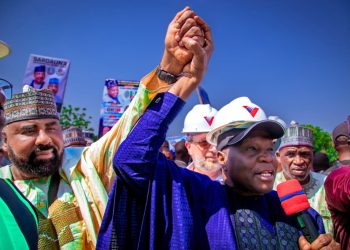




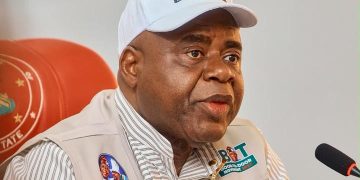





































A distinctive pattern of support in the evolving political landscape of Bauchi State is taking shape — one driven less by campaign rhetoric and more by a consistent record of humanitarian engagement, particularly with indigent women groups.
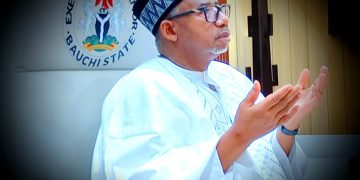
Dr Bala Maijama’a Wunti, whose interventions over the years have positioned him as a figure of trust and advocacy among women’s groups across the state, is at the centre of this growing momentum. What is becoming increasingly evident is that Wunti’s relationship with women is not symbolic but rooted in sustained action.
Through the Bala Wunti Support Organisation (BWSO), his initiatives have consistently addressed the everyday realities faced by women, particularly widows, divorcees, young girls, and those navigating economic hardship. From food assistance during Ramadan to targeted financial support and long-term empowerment programmes, these efforts have been designed to restore dignity while creating pathways for self-reliance.
In many communities, these interventions of Wunti have arrived at critical moments. For vulnerable households, especially those led by women, seasonal pressures and economic instability often deepen existing challenges. By stepping into this gap with structured, transparent, and inclusive programmes, Wunti has cultivated not just goodwill, but a sense of reliability that resonates deeply with beneficiaries.
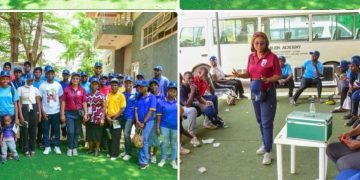
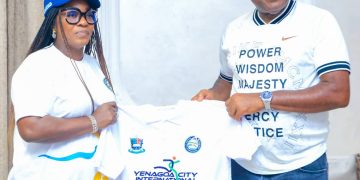
This growing trust is now translating into organized political support. For instance, the Late Police Officers’ Wives Association (LAPOWA), under the leadership of Lois Maje Girma, recently declared its backing for Wunti’s 2027 gubernatorial aspiration, citing his track record of humanitarian interventions that cut across social and demographic lines. For members of the association — many of whom shoulder the responsibility of sustaining families after the loss of their spouses — his initiatives have provided both immediate relief and renewed hope.
Their endorsement of Bala Wunti also reflects a forward-looking expectation. Beyond acknowledging past interventions, LAPOWA highlighted areas for deeper collaboration, including access to education for their children, skills acquisition opportunities, and employment pathways. These are priorities that directly affect women’s long-term stability, and their alignment with Wunti’s agenda reinforces the perception that his approach is both responsive and strategic.
A similar sentiment was echoed by the National Association of Waste Dealers and Employers of Nigeria (NASWDEN), represented in Bauchi by Mustapha Sani. While broader in its composition, the association’s endorsement signifies how Wunti’s influence extends into sectors where women play significant roles in economic activity. Their pledge to mobilise grassroots support highlights the widening coalition forming around his candidacy.
At the heart of this support lies a consistent philosophy: that empowering women is essential to building resilient communities. This principle has been repeatedly emphasised in Wunti’s public engagements, including messages commemorating International Women’s Day, where he outlined a long-term vision focused on education, entrepreneurship, and equal opportunity. For many women’s groups, this articulation goes beyond political messaging — it aligns with their aspirations for inclusion and meaningful participation in economic and civic life.
His outreach to internally displaced women and families, including those affected by conflict and relocation, further reinforces this commitment to inclusivity. By deliberately engaging populations that are often overlooked, Wunti has strengthened his credibility among advocacy groups and community networks that prioritise social justice and equity.
Perhaps most telling is how beneficiaries are increasingly becoming advocates. Women who have directly experienced these interventions are not only expressing support but also influencing broader community sentiment. In markets, neighbourhoods, and local associations, their voices are shaping a narrative that links leadership with empathy and tangible impact.
This dynamic reflects a broader shift in grassroots politics, where credibility is earned through visible action rather than promises. Women’s associations, in particular, are emerging as critical stakeholders in this process, leveraging their organisational strength to support leaders whose values and track records align with their needs.
As the 2027 governorship race gradually comes into focus, the convergence of humanitarian impact and political endorsement around Dr. Bala Wunti presents a compelling case study in people-centred leadership. For many women across Bauchi State, their support is not merely an endorsement of ambition; it is a vote of confidence in a model of leadership that has already demonstrated its relevance in their lives.