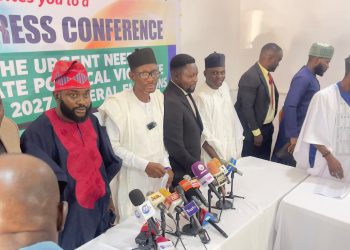


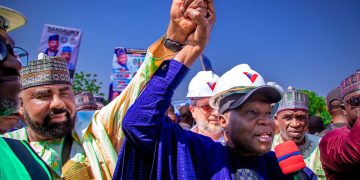




























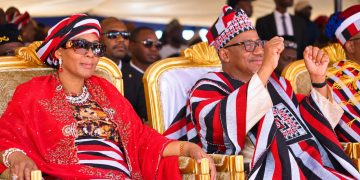

























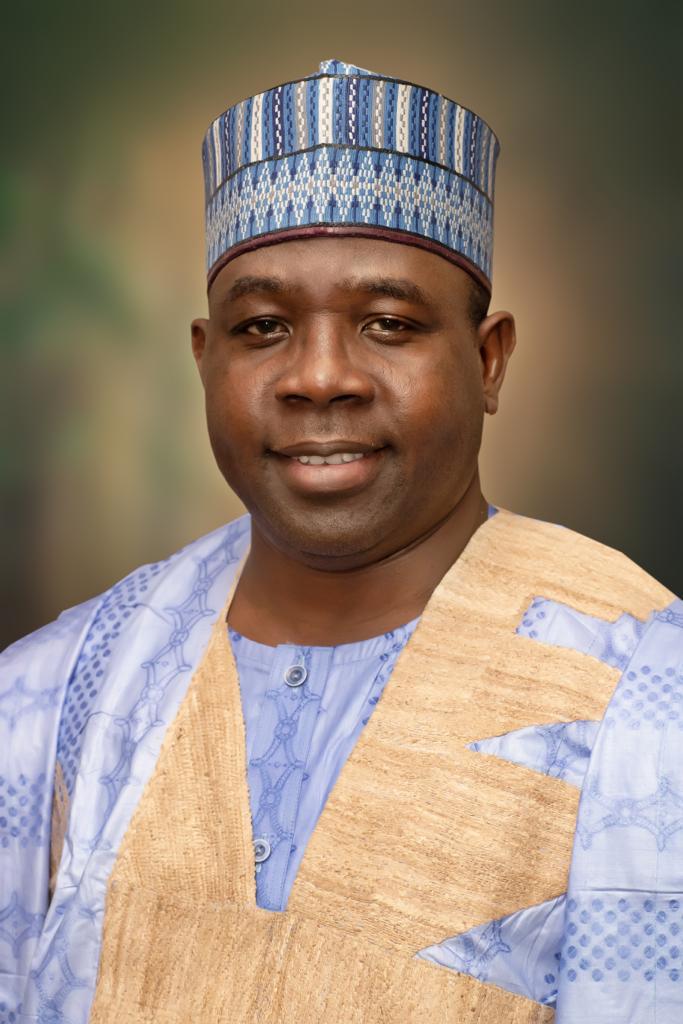
As Gombe approaches another electoral cycle — less than two years away — the central public question returns: whether the state will secure a renewal of purpose and a leadership capable of reversing declining livelihood indicators. Within that conversation, Alhaji Muhammad Jibrin Barde (popularly known as Danbarde) continues to feature as a consistent alternative.
Analysts and supporters argue that his emergence as a serious contender was a vision due earlier but delayed by a mix of human and systemic factors. They insist, however, that delay does not equate to denial, especially where a state remains fixed on the outcome it seeks.
Danbarde, unlike many perennial aspirants, comes from a background rooted in corporate finance, institutional leadership and development execution. His record spans capital mobilisation, risk architecture, enterprise development, and structured project design — areas in which Gombe’s current constraints are most acute. Those who make the case for him argue that the state does not simply need an election victory but a technical reset executed by someone trained for structural work rather than political maintenance.
If elected, observers familiar with his policy posture anticipate a programme architecture built around private-led economic repositioning; attraction of investment into agriculture value-chains, mining, logistics and services; creation of bankable development clusters; SME financing frameworks linked to processing and export rather than retail trading; fiscal reforms that expand IGR through system tightening rather than rate increases; and development financing models that leverage state assets without deepening unsustainable debt.
His anticipated governance approach also includes agricultural transition from produce to processing; storage and aggregation systems to end value-flight; structured offtake agreements to de-risk farming; civil service reforms tied to measurable outputs; technical retraining of ministries to align with investment goals; merit-based recruitment; and infrastructure rationalisation that treats water, healthcare and sanitation as economic enablers, not token social gestures. A continuity logic anchored on auditing ongoing projects, protecting viable ones and terminating wasteful work is expected to characterise his administrative discipline.
The political argument before Gombe is therefore not framed around sentiment but around competence versus the continuation of current trajectories. Advocates of Danbarde contend that the state cannot afford another electoral cycle of routine governance when its economic and social indicators demand structural correction. With two years to choose direction, stakeholders insist the state must not lose focus in the waiting period. They maintain that a mandate once delayed can still be delivered if the electorate anchors on competence and not on habit.
There is, among those who track his professional trajectory, little doubt about his capacity to deliver should he be granted the mandate. They reference his track record in corporate leadership and structured value delivery as evidence that a Barde administration would not experiment but execute — and in doing so, could alter the direction of Gombe in ways the state has not yet experienced.